My top six for ’26
Jon Breton (O’Donoghue)
As we head into a new year, I’ve been thinking less about trends and more about conditions - the conditions we create for visitors, for colleagues, and for ourselves in cultural, heritage and landscape places.
What follows isn’t a prediction, and it isn’t a checklist. It’s simply six things I’d love to see places doing more of in 2026 and beyond.
At heart, they’re all rooted in the same belief:
We need to design for people as they actually are - emotionally, cognitively, socially - not as we wish they’d be.
1. Create genuine, offline connection
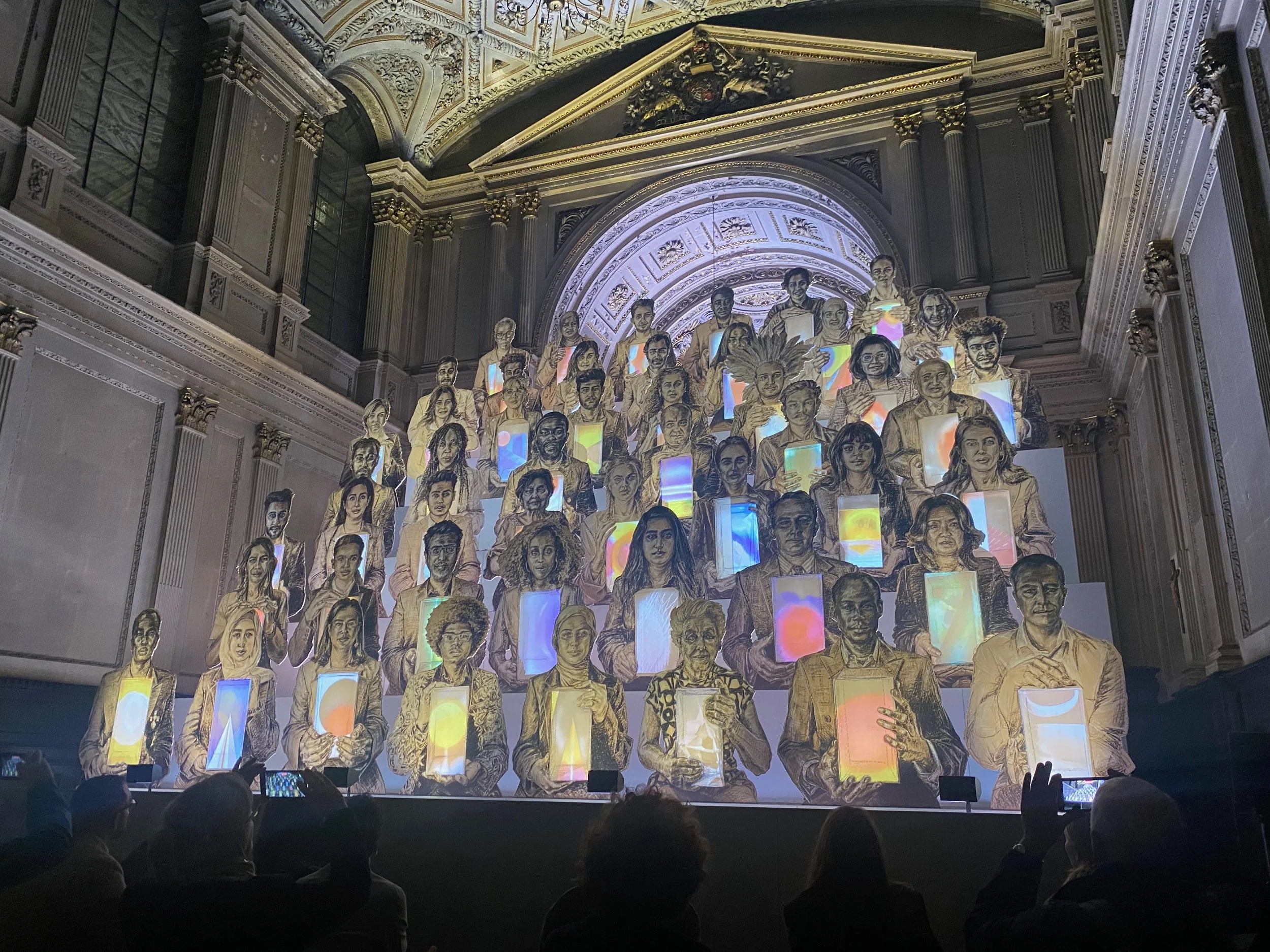
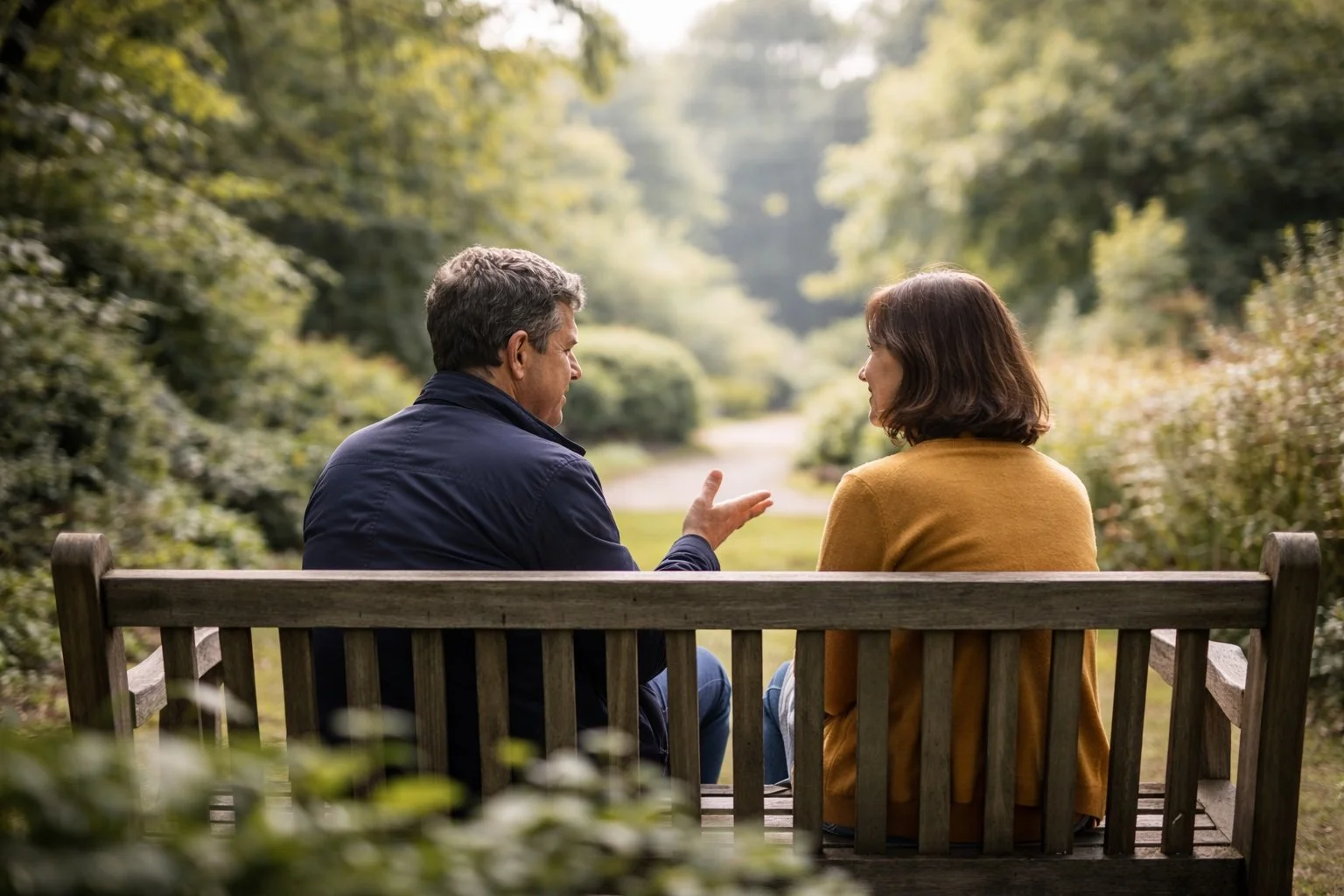
Loneliness is rising, and many people are quietly craving real, analogue connection - with places, with ideas, and with each other.
Cultural, heritage and landscape places are uniquely well placed to offer this, but only if we do it deliberately. That might mean overtly analogue activities, shared moments of attention, or simply spaces where nothing is demanded of people except presence. Digital can still play a role, but as a gateway rather than the main event.
Often what people need most is permission to slow down, to notice, and to be with others - without performance.
2. Meet people where they are
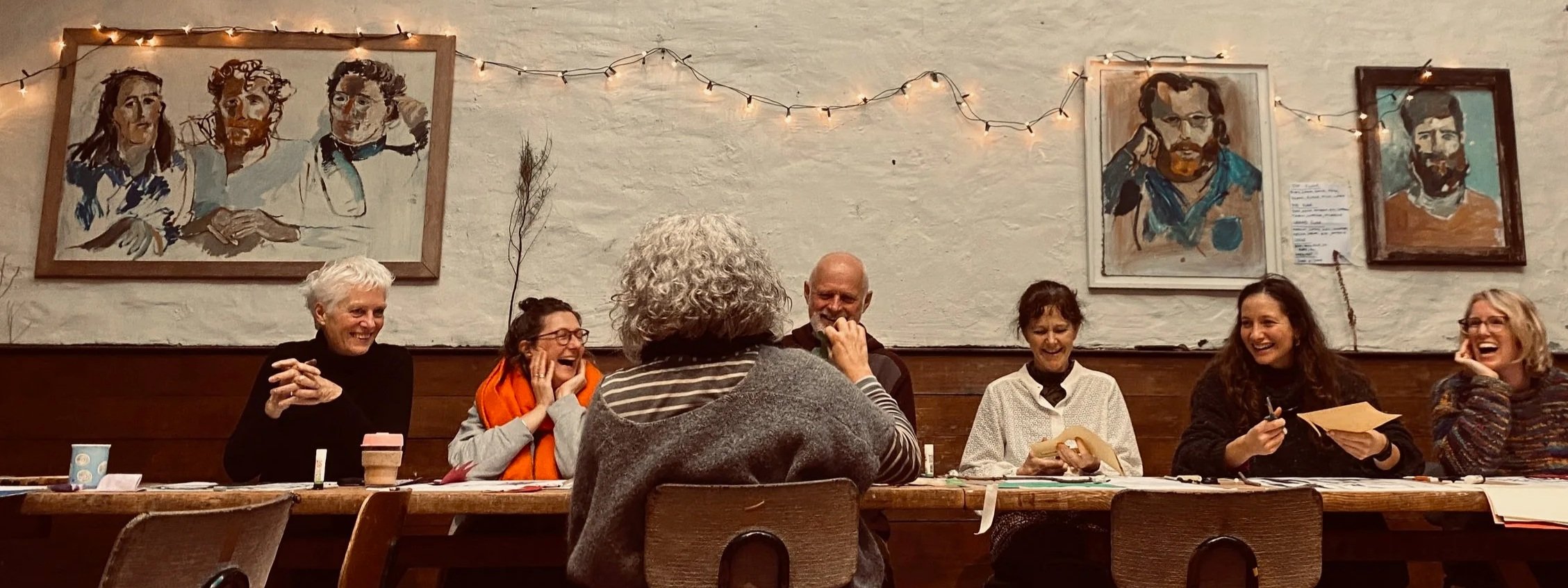
Visitors don’t arrive fresh, empty-headed and ready to receive meaning. They arrive carrying full lives - stress, joy, grief, distraction - and with smartphones quietly tugging at their attention throughout the visit.
Rather than resisting this, places can acknowledge it. We can create thresholds, invitations and moments of transition that help people arrive, not just enter. That might be through space, language, pacing or ritual.
Understanding how people actually cross into an experience is just as important as what we show them once they’re inside.
3. Build fundraising in - don’t bolt it on
Fundraising works best when it’s relational, not transactional. When it’s bolted on at the end, it often feels awkward for everyone involved.
Instead, it can be woven into the visitor experience and into ongoing communications - as a natural extension of shared values and care for the place. And if that expertise doesn’t sit in-house, that’s absolutely fine. There are excellent fundraising professionals who can help develop strategy, tools and confidence.
Done well, fundraising isn’t an interruption; it’s an invitation to belong.
4. Look inward as much as outward
Inspiration is important - but so is reflection. The sector spends a lot of time looking elsewhere: conferences, away days, case studies, exemplars.
What would happen if we spent just as much time stepping back and really noticing our own place? Its rhythms, its behaviours, its stories, its quiet successes and persistent tensions.
Often there is far more knowledge already present than we realise. Making time to surface it can be as valuable as any external spark.
5. Be more visual - explain less (or later)
Words matter, but they can also overwhelm. Many places could afford to stimulate the eyes first and explain later - or sometimes not at all.
Visual cues, atmosphere, materiality and spatial clarity can do a huge amount of work before interpretation ever appears. Explanation then becomes an invitation, not a barrier.
Trust people to feel their way in.
6. Lead performance through coaching
Strong performance doesn’t come from more management; it comes from more development.
Investing in a culture of coaching builds capacity and confidence, reduces the need for formal performance management, and helps people grow into responsibility rather than be measured against it. It creates healthier teams and more resilient organisations.
In the long run, coaching isn’t a “nice to have” - it’s an efficient, human way of leading.
None of this is quick, and none of it is flashy. But all of it is sustainable.
If 2026 is to be a year of depth rather than noise, I hope more places choose to design for people as they truly are - and create the conditions for connection, understanding and care to grow from there.
If any of these six areas have resonated with you, let’s explore them further.
