Historic house. Sticky situation. Global solution.
Jon Breton (O’Donoghue)
On making marmalade, and noticing where it leads
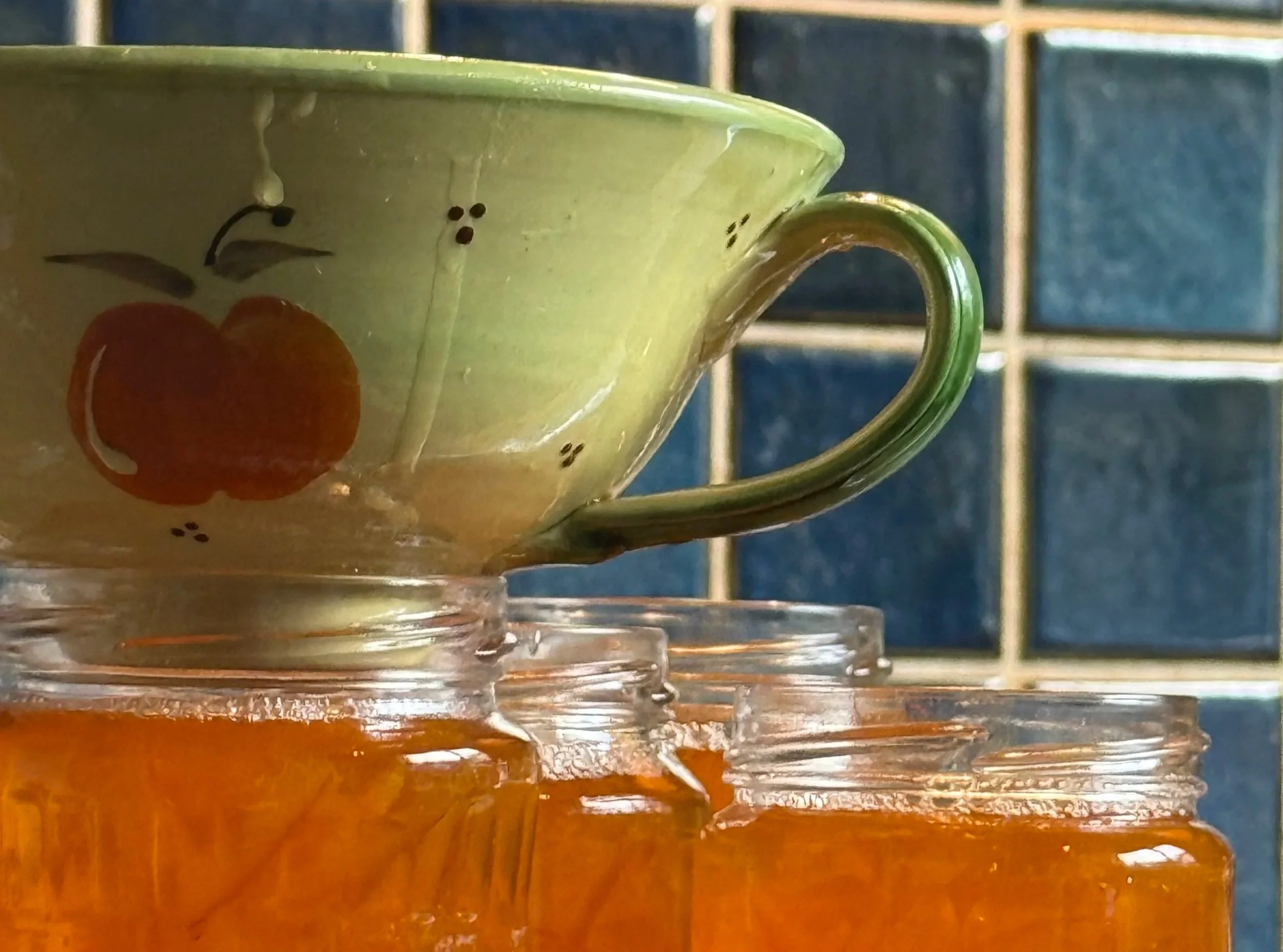
We made marmalade at home the other day.
It’s one of those things that only happens when the season allows it. Seville oranges appear, you notice them almost by accident, and then suddenly you’re committed: big pans, sharp knives, sticky spoons, steam on the windows. Marmalade doesn’t let you rush. You have to give yourself over to it.
I always forget how physical it is - and how hopeful. You don’t really know if it’s worked until the very end.
Around the same time, kitchen scrutiny seemed to be drifting through the wider world too. There’s been plenty of speculation about who might replace Prue Leith as a judge on ‘The Great British Bake Off’, with Nigella Lawson often mentioned.
What interests me here isn’t really Bake Off gossip, but what sits beneath it. The fact that judging matters. That authority matters. That we still care who is trusted to taste, assess and say this is good. Domestic food, done well, still commands serious attention.
That’s where Dalemain comes in.
Dalemain, in the Lake District, is where the entries for the World Marmalade Awards are sent. Thousands of jars arrive there from around the world, to be opened, tasted and judged - by food historians, professional tasters, producers, and people connected with places like Fortnum & Mason, alongside devoted marmalade specialists. Quietly, methodically, and with real expertise, a very domestic preserve is taken seriously.
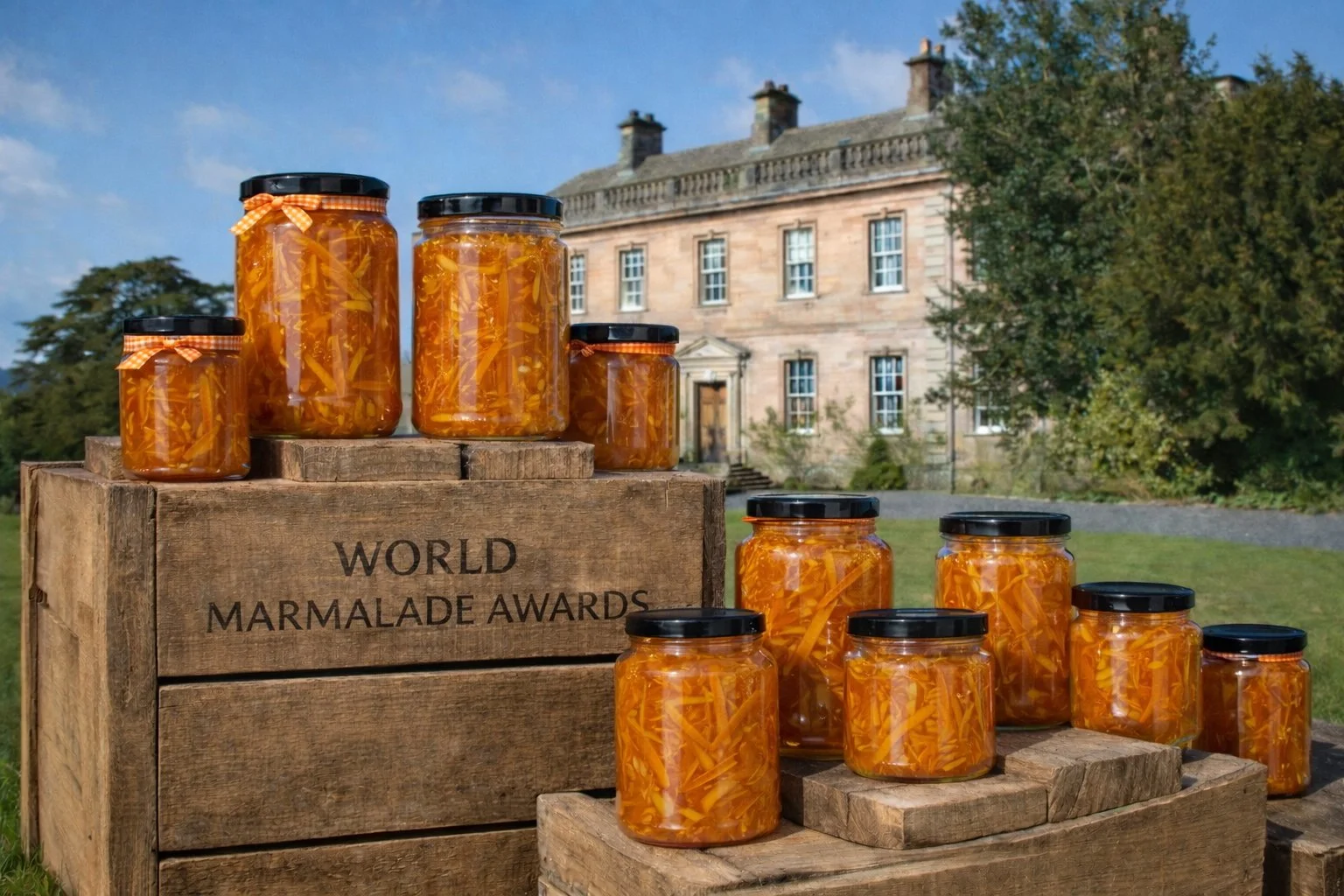
Jars from kitchens around the world arrive at Dalemain each year, where marmalade is tasted, judged and taken seriously.
What I love about Dalemain’s relationship with marmalade is that there’s no need to pretend this is some ancient tradition rooted deep in the estate’s distant past. Marmalade would, of course, have appeared on breakfast tables there for decades - even centuries - but that isn’t really the point.
The point is that Dalemain has chosen to embrace it.
It has wrapped its arms around marmalade like Paddington Bear - wholeheartedly, without irony, and with complete confidence. Not as a gimmick. Not as a seasonal sideshow. But as something worth cherishing, celebrating, and doing properly.
It reminds me of the great Christmas garland at Cotehele House in Cornwall. The house dates from around 1500, and the vast garland - woven from greenery grown in the estate gardens and snaking through the Great Hall - looks like an ancient tradition. It feels timeless. And yet it was only instigated in the 1950s.
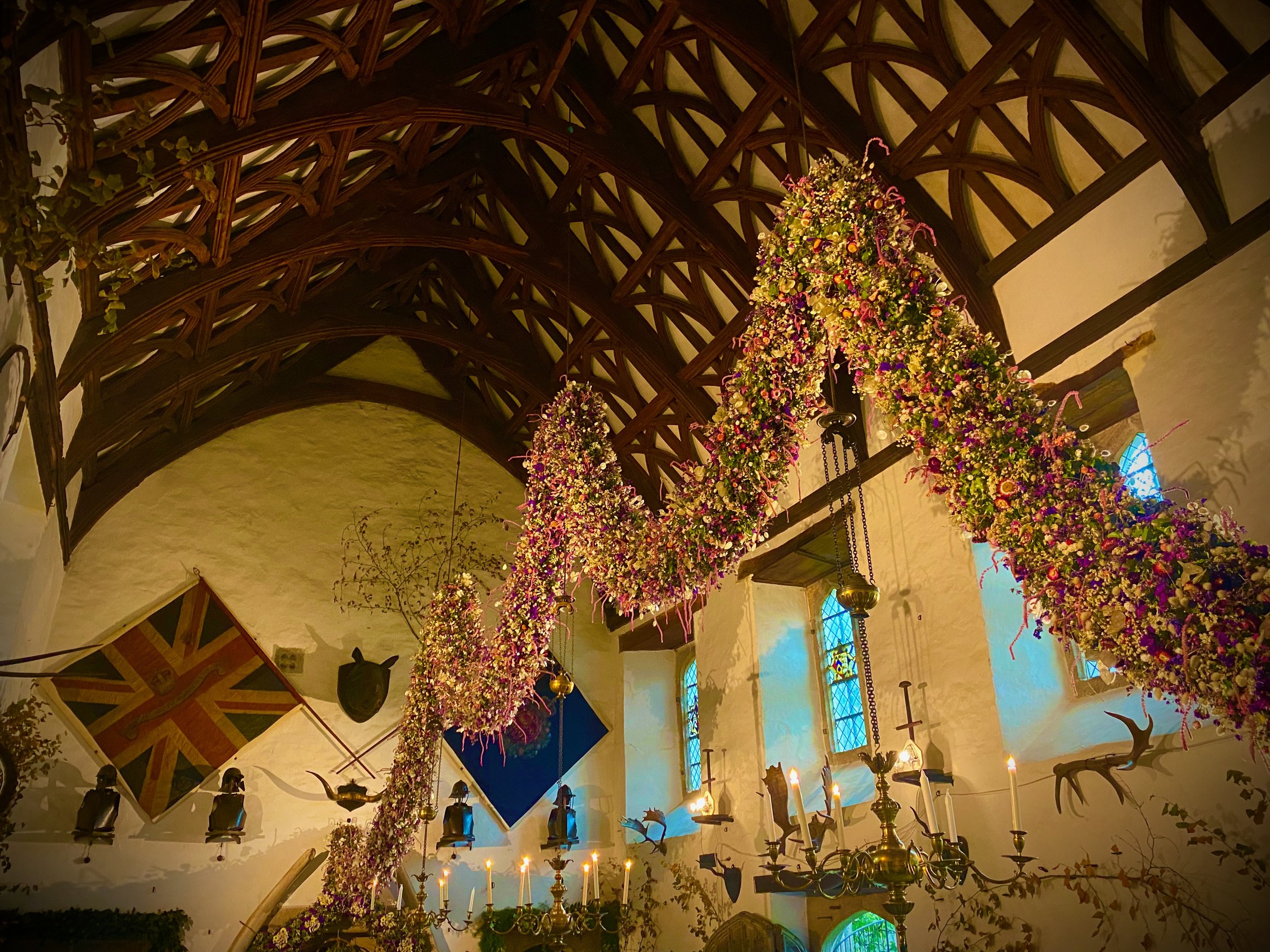
Cotehele’s great garland looks ancient, but began in the 1950s - proof that tradition can be made, not inherited.
Its power doesn’t come from age. It comes from care, repetition, and belief. Do something well, do it properly, and keep doing it - and very quickly it acquires depth, meaning, and emotional truth.
Over time, Dalemain’s commitment has paid off in the same way. Dalemain and marmalade now feel inseparable. An everyday preserve has become an international conversation. A historic estate has gained clarity, personality and warmth - not by inventing spurious provenance, but by recognising affection when it sees it.
I find that quietly encouraging.
It suggests that places don’t always need to dig ever deeper into their archives to find relevance. Sometimes they need to look closer to the kitchen table instead. To trust what people already love. To allow something modest to become significant.
Next year, we’re going to enter the World Marmalade Awards - and visit Dalemain during the festival. Wish us luck…
If you’d like to explore making more of traditions old and new, let’s talk.
