Re-energising a Small Outdoor Heritage Site
Advisory visit and mentoring to clarify purpose, improve engagement and rebuild confidence
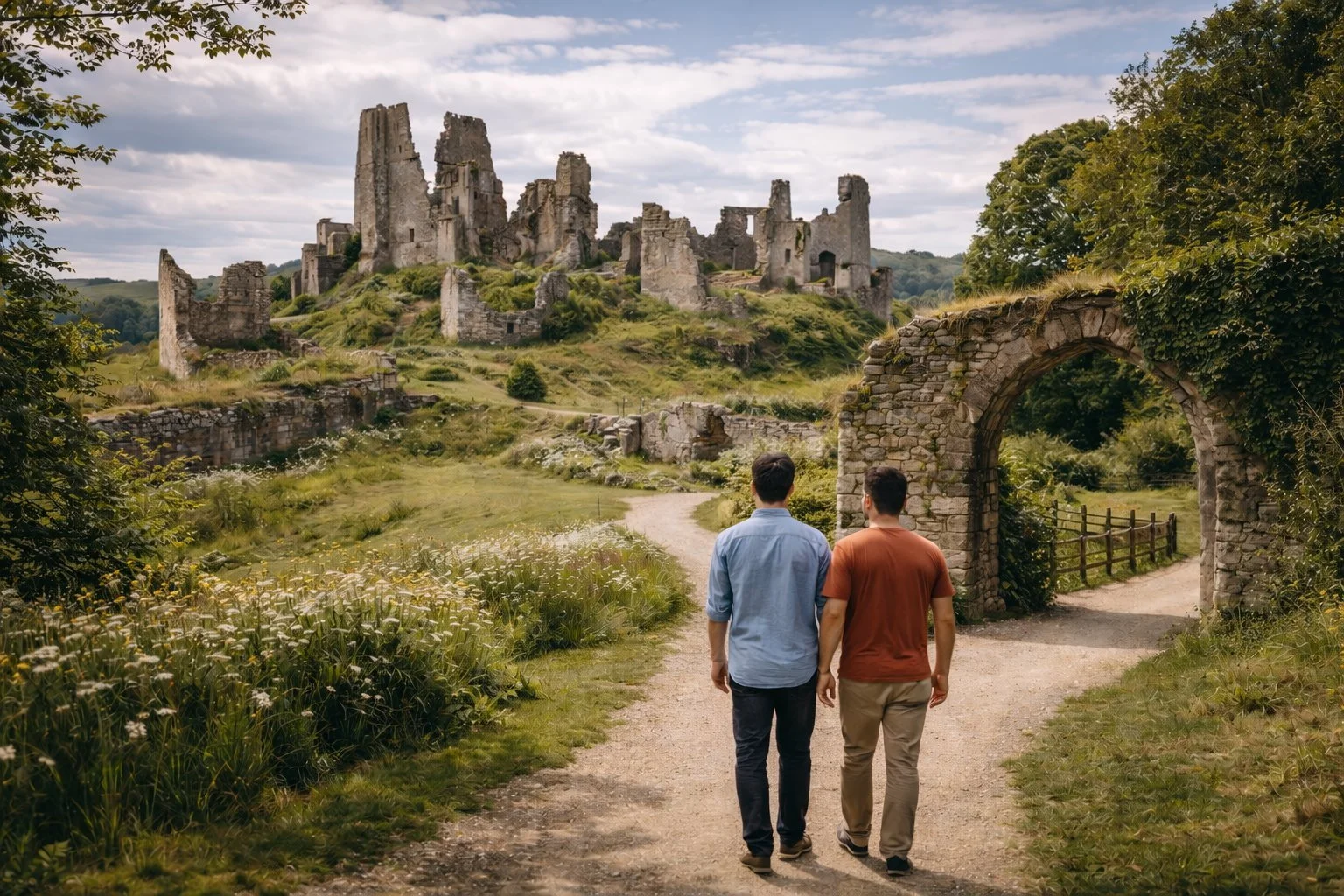
Approaching the site: understanding how visitors arrive, orient themselves and form first impressions of what makes the place special.
Context
A predominantly outdoor heritage site - comprising landscape, historic features and visitor routes - had been receiving consistently mediocre or low visitor feedback on review platforms. Visitor numbers were gradually declining, and volunteer retention was becoming difficult, with some volunteers reporting boredom or a lack of purpose.
A new site supervisor had recently been appointed. While enthusiastic and capable, he inherited a situation where the site was functioning but felt static, overly reliant on printed interpretation, and unclear about what truly set it apart.
Indoor spaces were limited to admissions and retail, a café, a small education room and an office. The supervisor asked Eagle & Oak for a one-off advisory visit with follow-up mentoring, seeking early clarity and direction rather than a long consultancy process.
The challenge
The core issue was not lack of effort, but lack of articulated distinctiveness.
Symptoms included:
• declining visitor numbers,
• lukewarm online reviews,
• disengaged or under-used volunteers,
• and an offer dominated by information boards and a paid-for guidebook.
When asked what was unique, distinctive or cherished about the site - what genuinely made it special - the site supervisor found this difficult to answer. As someone new to post, he recognised that developing a shared answer to this question was essential before making changes.
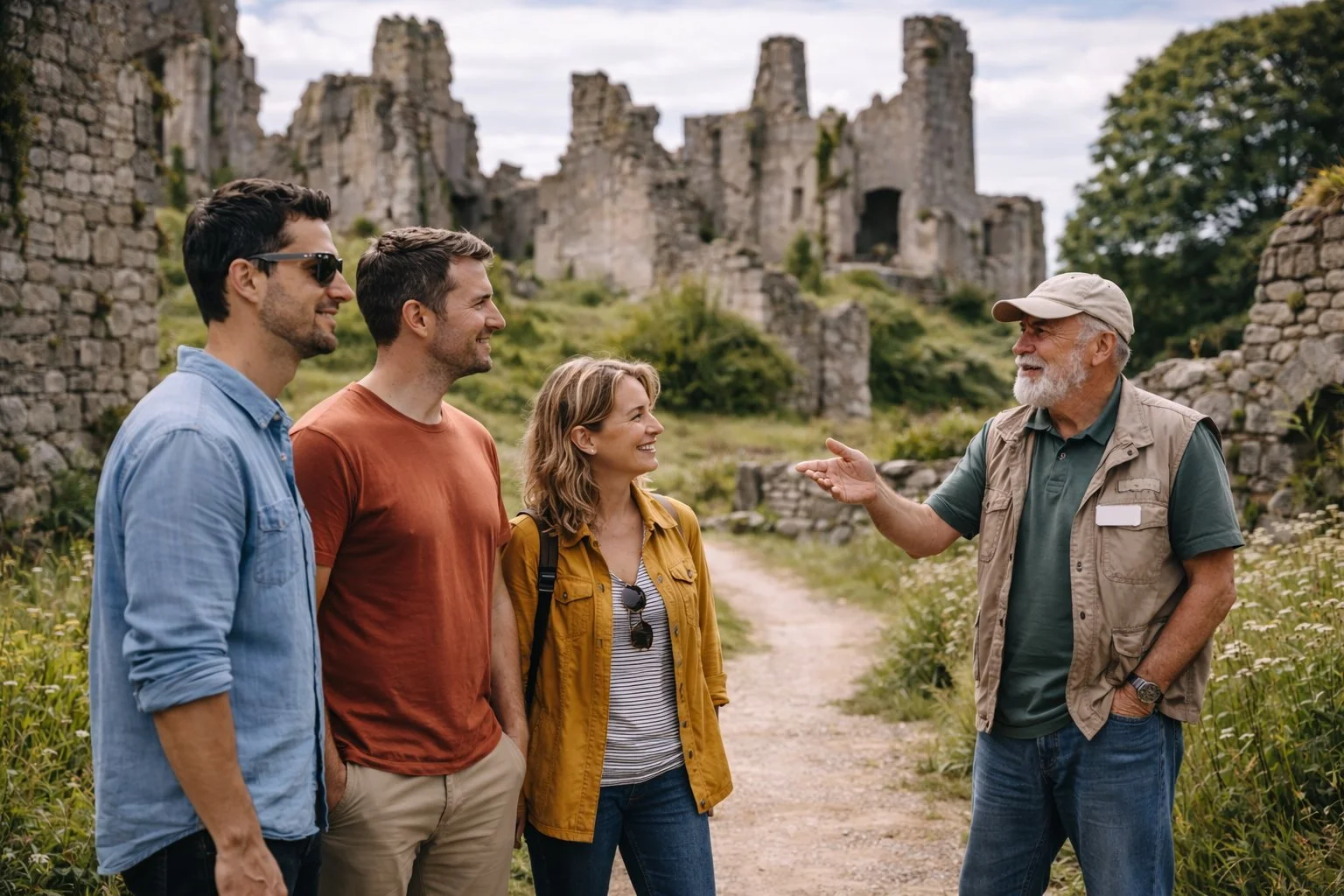
Exploring ways to create simple, personal connections between volunteers and visitors through short talks and informal interpretation.
“As someone new in post, it was incredibly helpful to have space to step back and ask what actually mattered. That one question about what makes the site special changed how I approached everything else. I felt like I owned this process, but had Jon to structure my work to avoid distraction and getting overwhelmed.”
Our approach
The work began with a single on-site advisory visit, followed by a small number of online mentoring sessions.
Rather than starting with solutions, the first priority was clarity of purpose. Jon asked the site supervisor to pause decision-making and instead consult his small staff team and volunteers around a simple question:
What is it about this place that people value most - and would be disappointed to lose?
This consultation became his first leadership action in post.
Once the site’s distinctive qualities were clearer, we explored high-level audience insight, using broad, practical segments rather than detailed personas. Together we identified three core audiences:
• families with younger children (under 7), particularly at weekends and during school holidays,
• older, independent adults motivated by historical content,
• and photographers, identified through the site’s strong presence in online galleries and social media.
Observation showed that engagement relied heavily on static interpretation boards and the guidebook. When asked whether this was deliberate, the supervisor explained that it was simply how things had always been done.
We explored diversifying engagement without capital spend, including:
• visually engaging visitors through small interventions and clearer highlighting of existing historic features,
• introducing short daily talks (around 10 minutes) and a longer guided walk (around 40 minutes) to create human connection,
• developing a tactile outdoor area near the education room,
• and using the education room during holidays for themed craft activities led by specialists and supported by volunteers.
Commercial activity was reviewed through the same lens of distinctiveness. Poor-selling or irrelevant shop products were replaced with items that reflected the site’s renewed sense of story. The café was already performing well, but menu item names were refreshed to reference the site’s history, adding narrative value without altering the offer.
Finally, we looked at arrival and first impressions. The website and car park experience were simplified, removing clutter and making two things explicit:
• what is special about this place, and
• what visitors can actually do here - visually, intellectually, socially and hands-on.
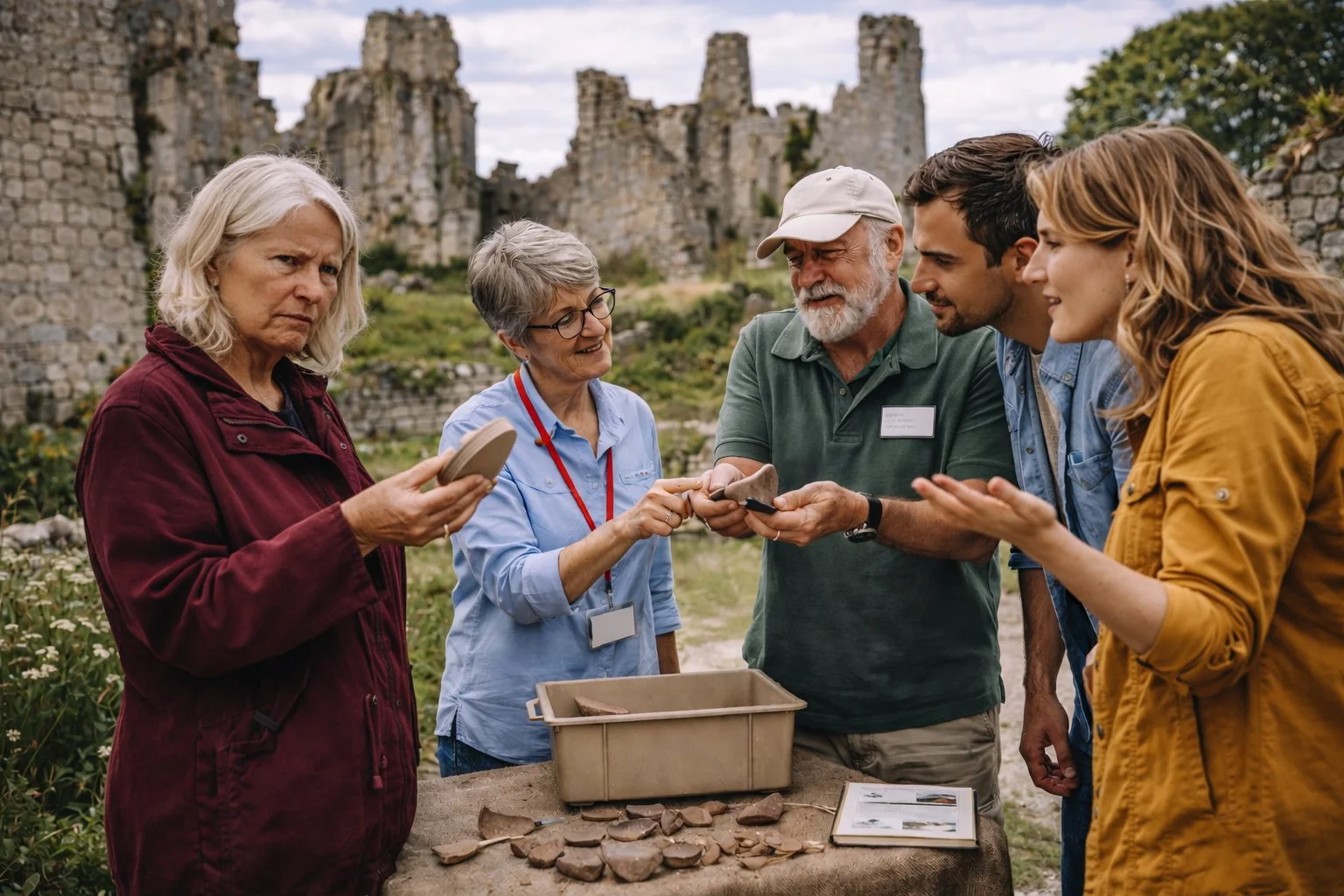
Testing tactile and hands-on experiences to bring history to life and give volunteers a more active, rewarding role.
Outcomes
The changes were proportionate, fast and confidence-building.
Volunteers responded positively to having clearer roles and more varied ways to engage visitors.
Early shifts were also reflected in visitor feedback.
Before (TripAdvisor review):
“Nice enough walk, but there isn’t much to do once you’ve read the boards. We were done in under an hour.”
After (TripAdvisor review):
“We all loved the short talk when we arrived - it really brought the place to life. Our kids enjoyed the activity area and we stayed much longer than planned.”
All of this was achieved through one site visit and a small number of follow-up sessions, without significant capital investment or organisational upheaval.
“It feels like we’re part of something again, not just keeping an eye on things. Talking to visitors, helping with activities - it’s much more interesting and rewarding. I tell my friends and two of them have joined up too!”
Why this matters
New leaders in small, volunteer-heavy heritage sites are often expected to “fix” things quickly, without the time or space to think.
This project shows how early diagnostic support, light-touch mentoring and clarity of purpose can help a site supervisor build confidence, re-energise teams and improve visitor experience - sustainably and at human scale.
If you’re responsible for a site that feels full of potential but is losing momentum, and you want to make thoughtful changes without overcomplicating things, let’s talk