North Helford / Falmouth Bay Experience Design
Leadership in Practice | National Trust
Experience design and business model development across an open-air coastal portfolio
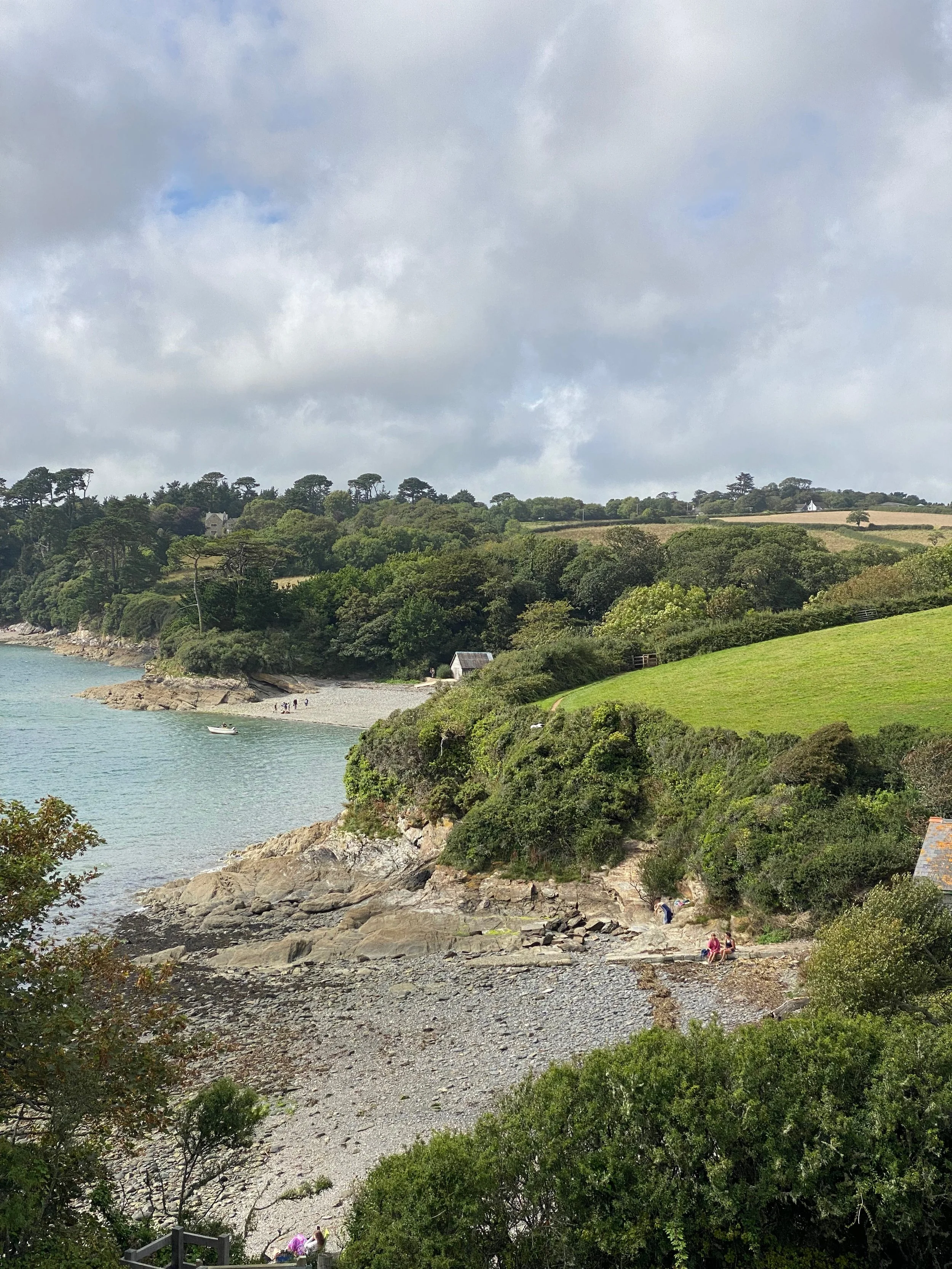
An open coastal landscape at North Helford - multiple entry points, historic structures and everyday activity brought into a coherent visitor experience framework.
Context
Between 2013 and 2016, Eagle & Oak’s founder Jon Breton (O’Donoghue) worked as Project Manager: Experience Design across the National Trust’s North Helford portfolio, centred on Falmouth Bay and the Helford River.
This was not a single-site project, but a dispersed coastal landscape including gardens, beaches, historic buildings, walking routes, car parks and community infrastructure - used by visitors, residents, businesses and volunteers.
The brief was ambitious: to bring together the Trust’s activities in the area and create a coherent visitor experience and business model capable of capturing appropriate value from open-air heritage and landscape visits.
The work required consolidation and efficiency - but also growth, partnership clarity, and strategic decisions about which activities the Trust should operate directly, which should be delivered in partnership, and which should be licensed to third parties.
The challenge
Open landscapes are often deeply loved but loosely structured.
At North Helford, activity had grown organically: walking, boating, gardens, footpaths, car parks, interpretation and community initiatives. The experience for visitors felt fragmented, and the business model was under-developed.
The challenge was to:
• Create coherence across multiple entry points
• Improve welcome and orientation in an open landscape
• Increase dwell time and engagement
• Introduce charging mechanisms sensitively
• Grow volunteer participation
• Strengthen income streams
• Shift perceptions within an ultra-local community wary of change
All without urbanising the landscape or undermining its character.
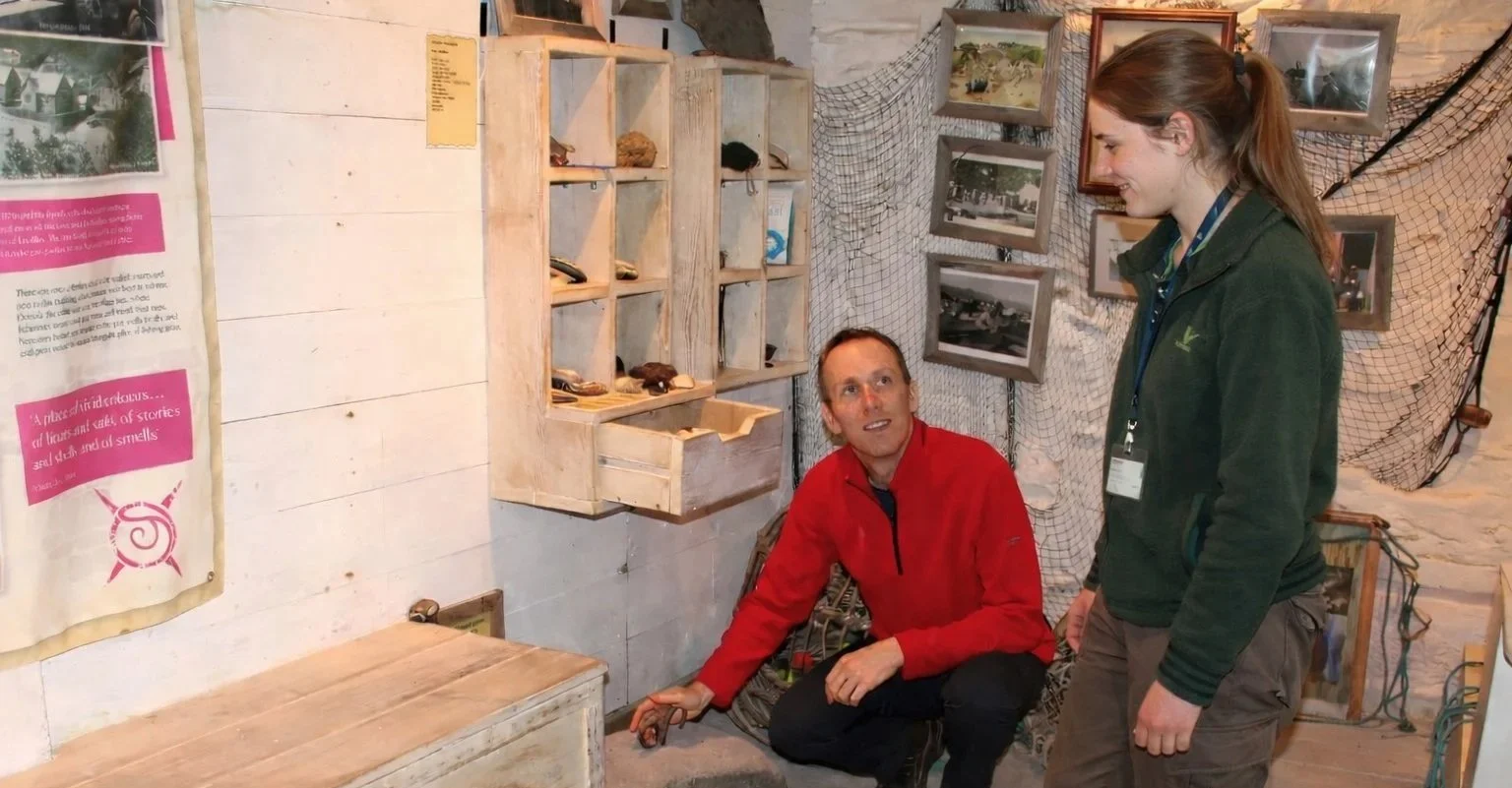
The Durgan Fish Cellar Heritage Centre - a modest interpretive space embedding welcome, storytelling and volunteer presence within the wider landscape.
“We’d known for years that there was untapped potential in taking a joined-up approach in this patch. Jon’s work balanced a detailed understanding of the area with keeping the ‘big picture’ in sight at all times. His work has had real legacy for conservation, community and celebrating the uniqueness of this special part of Cornwall.”
The approach
Jon reframed the landscape as a connected experience rather than a collection of separate assets.
Clear self-led and guided walking routes were developed to help visitors explore heritage and landscape meaningfully, supported by enhanced digital information.
Signage and interpretation at key entry points were redesigned to create a sense of arrival and welcome - bringing clarity to what had previously felt diffuse.
Car park charging was introduced sensitively, with free parking for National Trust members, directly incentivising subscription growth.
Volunteer-operated interpretation spaces were created to provide shelter, storytelling and modest income, embedding community presence within the visitor experience.
One example was the Durgan Fish Cellar Heritage Centre - developed as a small but powerful space offering warmth and insight into the significance of the Helford River and its community.
Alongside consolidation work, Jon clarified operational boundaries: determining what the Trust would operate itself, what it would deliver in partnership, and what would be contracted out - creating a clearer and more resilient operating structure.
Experience design here was structural rather than cosmetic: aligning visitor flow, interpretation, staffing, partnerships and income across an entire landscape system.
What was delivered
• A coherent experience framework across the North Helford portfolio
• Structured self-led and guided routes
• Entry-point welcome and interpretation strategy
• A sensitive car park charging model linked to membership growth
• Volunteer-led interpretation spaces embedded within the landscape
• Clear operational decisions on direct delivery, partnership and licensing
• Increased accommodation occupancy across the area
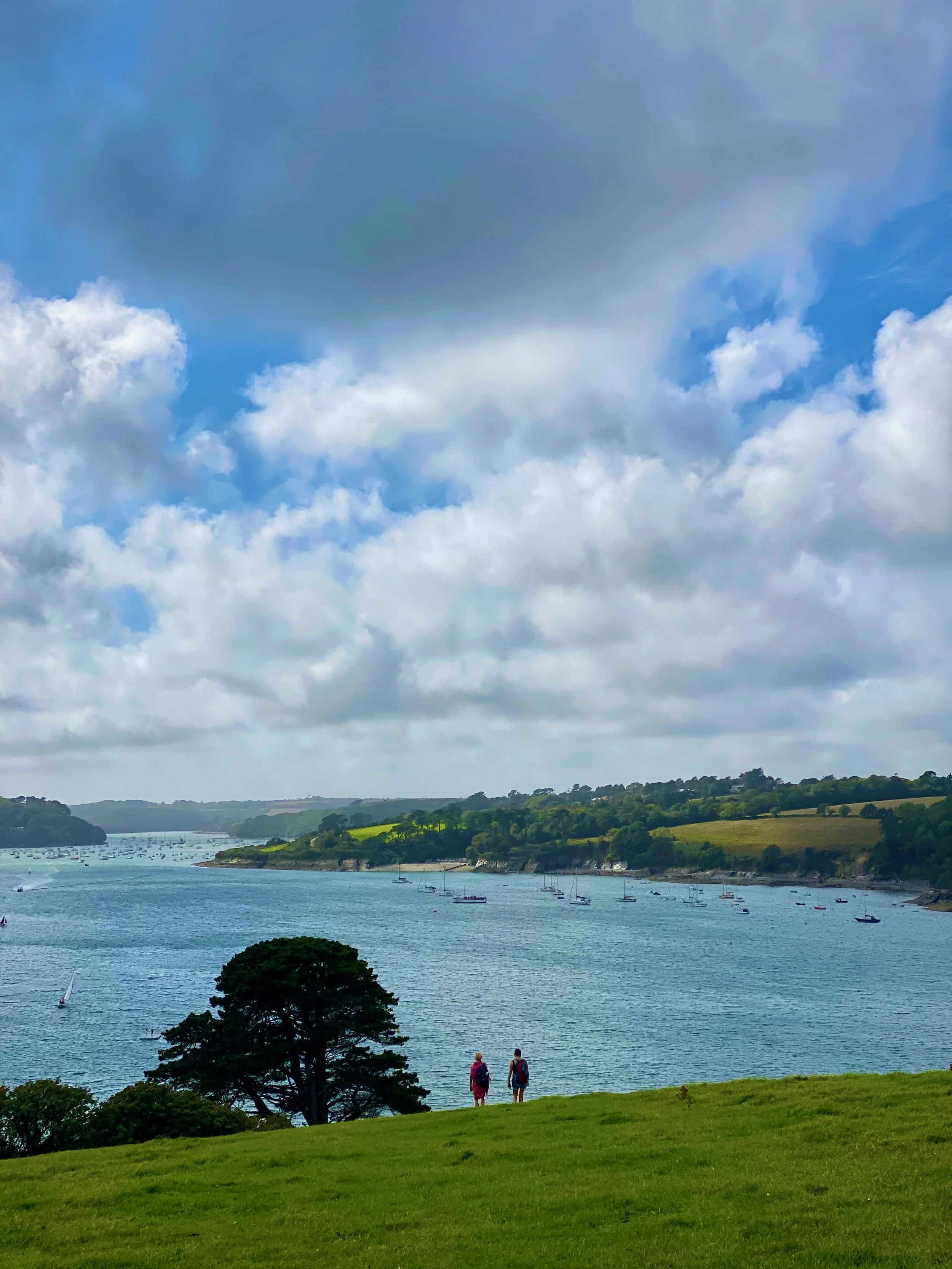
Structured routes across Falmouth Bay helped transform diffuse movement into clearer visitor journeys, increasing dwell time and engagement without urbanising the landscape.
Outcomes
The project moved the area from fragmented activity to a connected and legible visitor experience supported by a sustainable income model.
It:
• Increased income through charging and improved occupancy
• Grew volunteer participation and ownership
• Improved experience quality and dwell time
• Shifted perceptions within the ultra-local community — from suspicion of change to pride in a shared offer
It demonstrated that open-air heritage landscapes can be both generous and commercially realistic.
Just as importantly, it established experience design as a practical tool for landscape-scale decision-making within a national organisation.
“This project took the National Trust from being a faceless landowner to being a sensitive partner in what is a mixture of business, residential and leisure activities. I think that the oak leaf logo [of the National Trust] means something quite different to people in this area now, and that’s a good thing.”
Why this matters
Many coastal and rural heritage organisations face similar tensions: beloved landscapes, diffuse visitor flows, community sensitivity, and under-developed income mechanisms.
This work formed an important foundation for Jon Breton’s later consultancy practice — connecting welcome, community, interpretation and business model thinking into a single coherent framework.
If you are working with a dispersed landscape and need clarity before committing to change or investment, Eagle & Oak would be pleased to talk.