Community Development in a Coastal Village: Flowers for Friendship
Leadership in Practice | National Trust
Addressing isolation and loneliness through volunteer-led community action
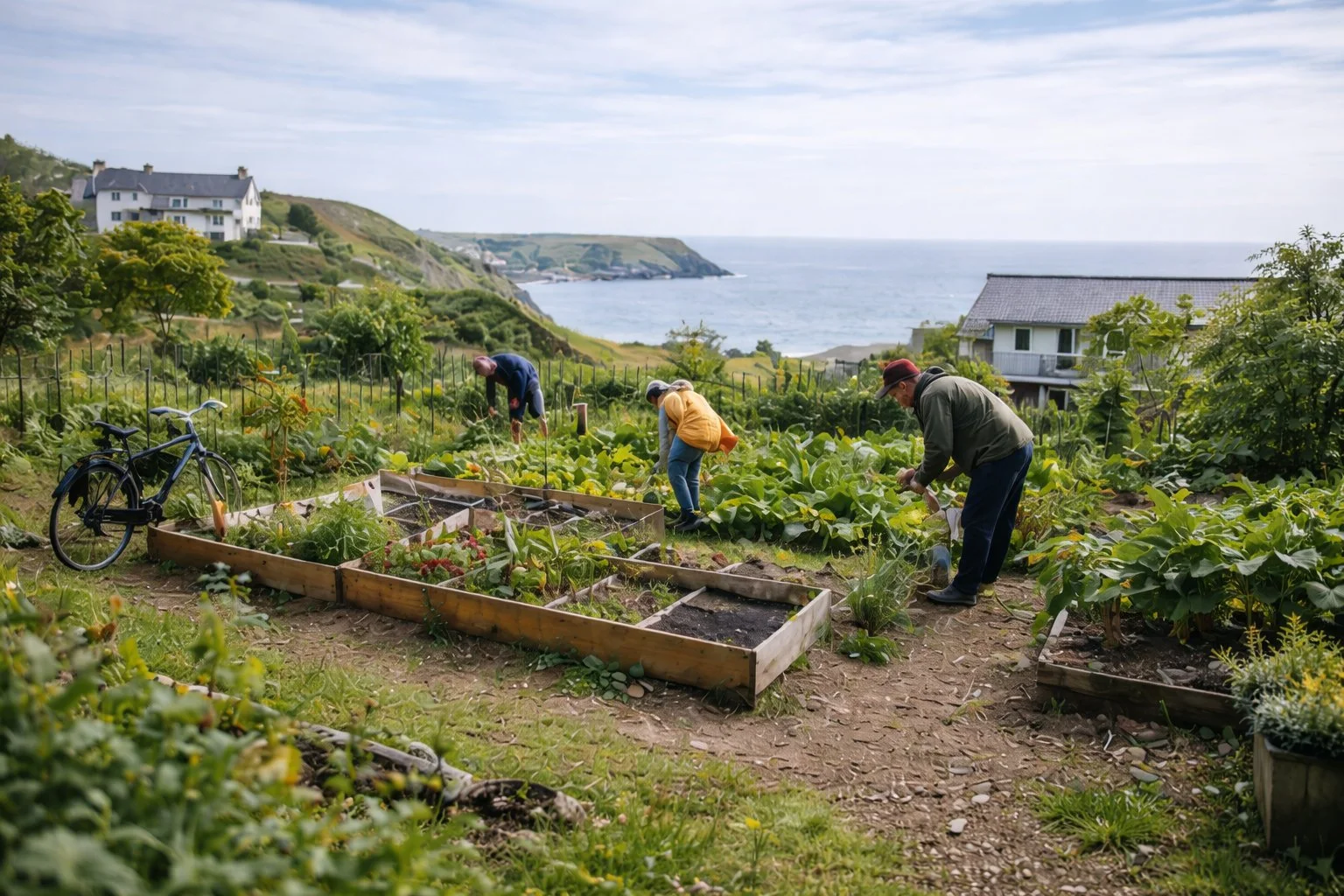
Community allotments on National Trust land created space for both cultivation and connection.
Context
Between September 2014 and April 2015, Jon Breton (O’Donoghue) was project managing National Trust land holdings adjacent to a coastal village.
Initial consultation suggested familiar concerns: congestion, parking and visitor pressure. However, deeper conversations revealed a more pressing issue - isolation and loneliness.
The village had become a popular relocation destination for early retirees. As residents aged and were widowed, many faced increasing isolation.
At the same time, the village had campaigned for community allotments and approached the National Trust to lease land for this purpose.
The two threads - land use and social need - presented an opportunity.
The challenge
The challenge was not primarily operational. It was human.
• How could the National Trust respond meaningfully to local isolation?
• How could volunteers be engaged in a way that extended beyond property operations?
• How could a small intervention reflect the Trust’s purpose to be “for everyone, for ever”?
The solution needed to be:
• Simple
• Sustainable
• Volunteer-led
• Sensitive in delivery
• Genuinely impactful
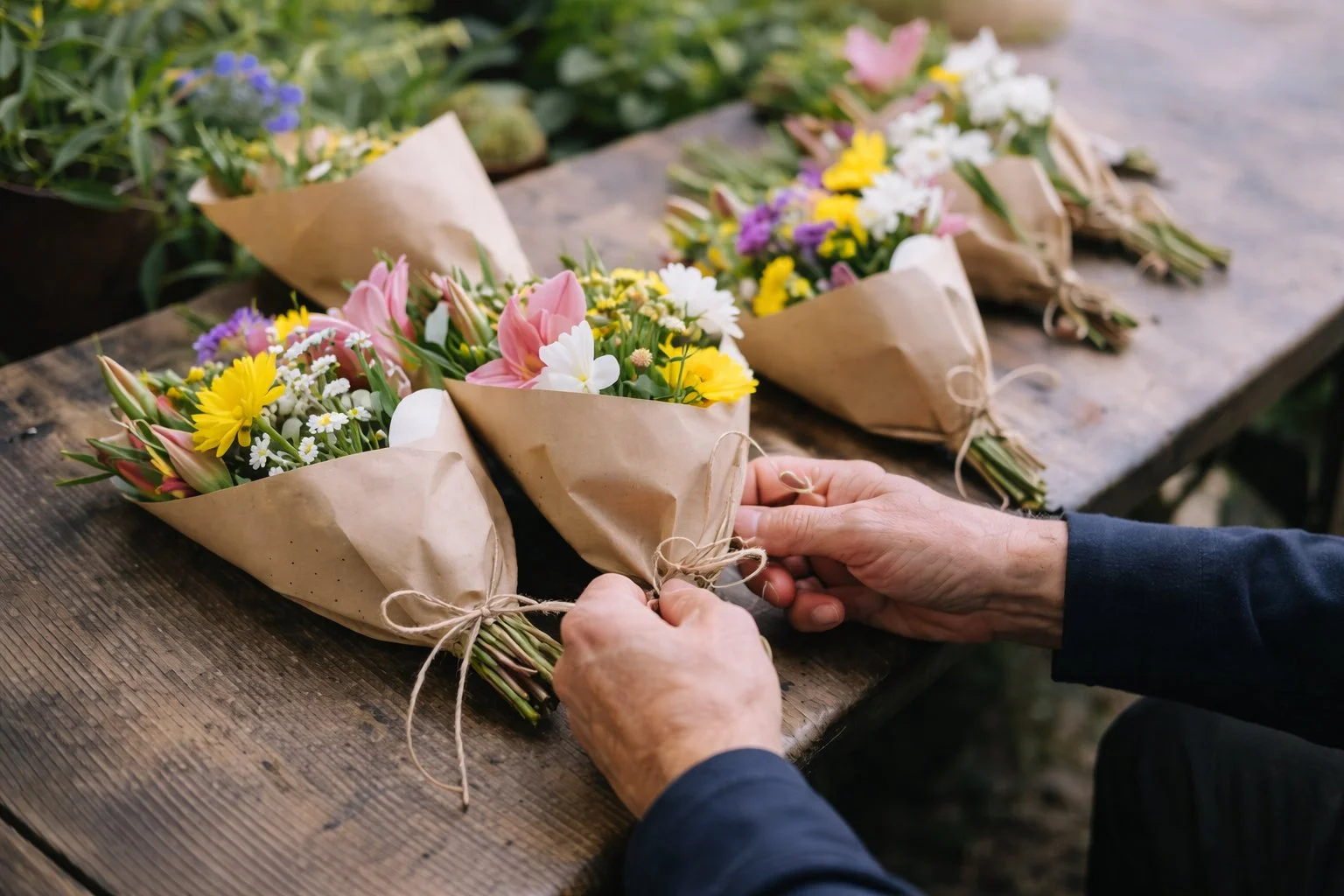
Volunteers grew and prepared modest bouquets for weekly deliveries to residents at risk of isolation.
“Without doubt one of the biggest challenges for our community is loneliness. This project was immensely creative and wholesome in working to reduce that.”
The approach
The National Trust leased land for community allotments and retained a small plot for volunteers to grow year-round cut flowers.
Jon combined the allotment initiative with the identified social need.
Volunteers grew flowers not only for National Trust properties in the area, but also to create small bouquets for members of the community identified as being at risk of loneliness and isolation.
Once a week, volunteers delivered flowers by bicycle, taking time to drop in and have a short conversation.
Recognising that sensitivity mattered as much as the gesture itself, the charity Age Concern provided training to ensure volunteers could engage appropriately and compassionately.
The intervention was deliberately modest: not elaborate arrangements, but consistent, human contact.
What was delivered
• Community allotments established on National Trust land
• A volunteer-led cut-flower growing initiative
• Weekly deliveries to residents at risk of isolation
• Partnership with Age Concern to provide appropriate training
• A simple, replicable model linking land stewardship to community wellbeing
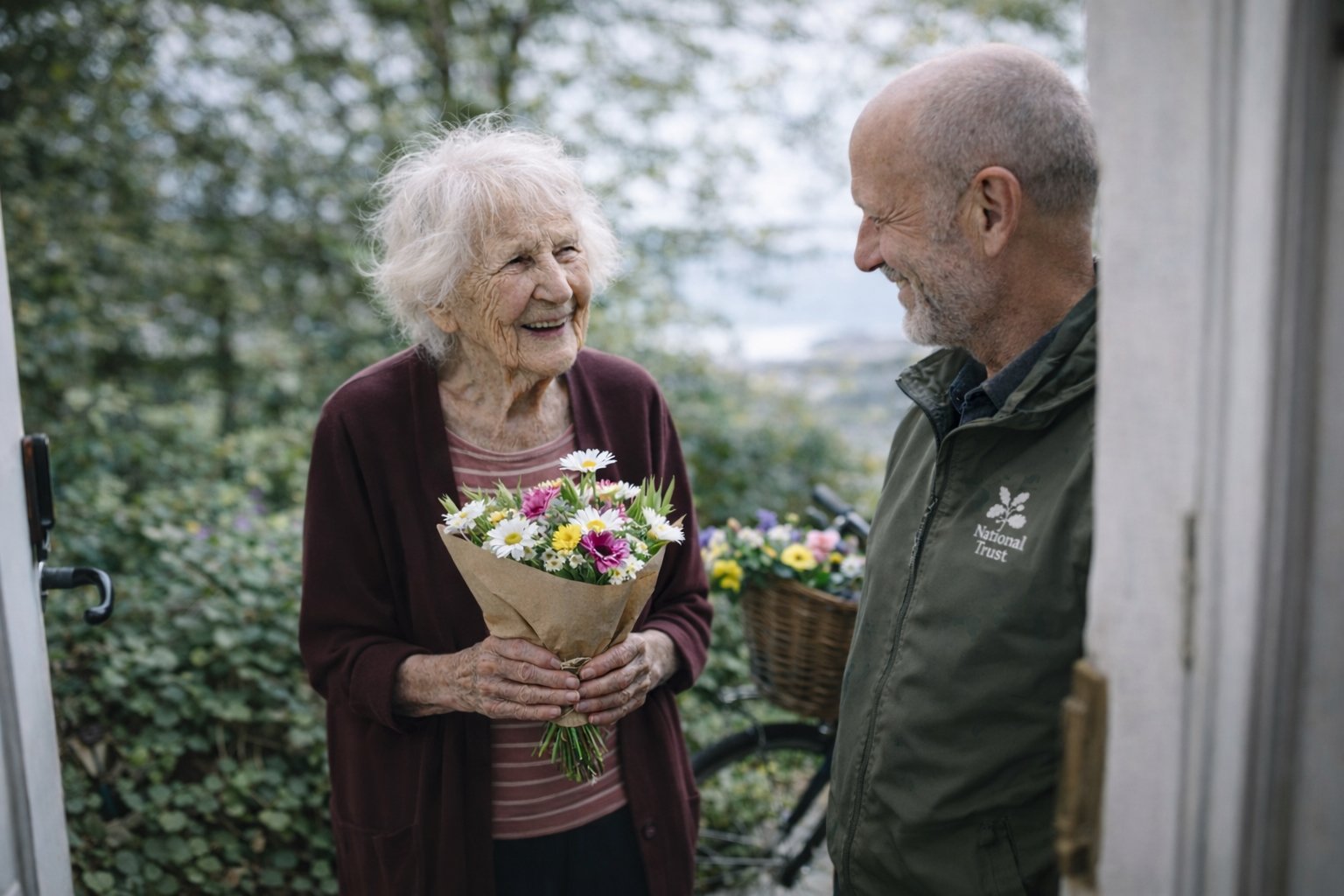
The act of dropping in - sharing flowers and conversation - became the heart of the initiative.
Outcomes
The impact far exceeded the scale of the intervention.
It:
• Reduced isolation for participating residents
• Strengthened volunteer purpose and engagement
• Deepened the relationship between the National Trust and the village
• Demonstrated responsiveness to local need
• Extended the Trust’s mission beyond visitor-facing activity
The gesture was small, but the emotional and relational impact was significant.
To this day, it remains one of the projects Jon is most proud of for the scale of impact achieved through simplicity.
“When I started volunteering for the National Trust I had no idea that I’d end up doing this. I didn’t think the Trust did things like this. It’s brilliant for everyone involved.”
Why this matters
Cultural and heritage organisations are often seen primarily as custodians of buildings and landscapes.
This project demonstrates how land, volunteers and purpose can combine to address social need directly and sensitively.
It shows that leadership sometimes lies not in scale, but in listening, connection and thoughtful action.
These principles continue to inform Eagle & Oak’s work — ensuring that strategy and experience are rooted in real community understanding.
If you are seeking to strengthen community connection in meaningful and sustainable ways, Eagle & Oak would be pleased to talk.