National cultural festival organisation - Strategic business case for a permanent home
Testing whether a building genuinely serves mission, people and place
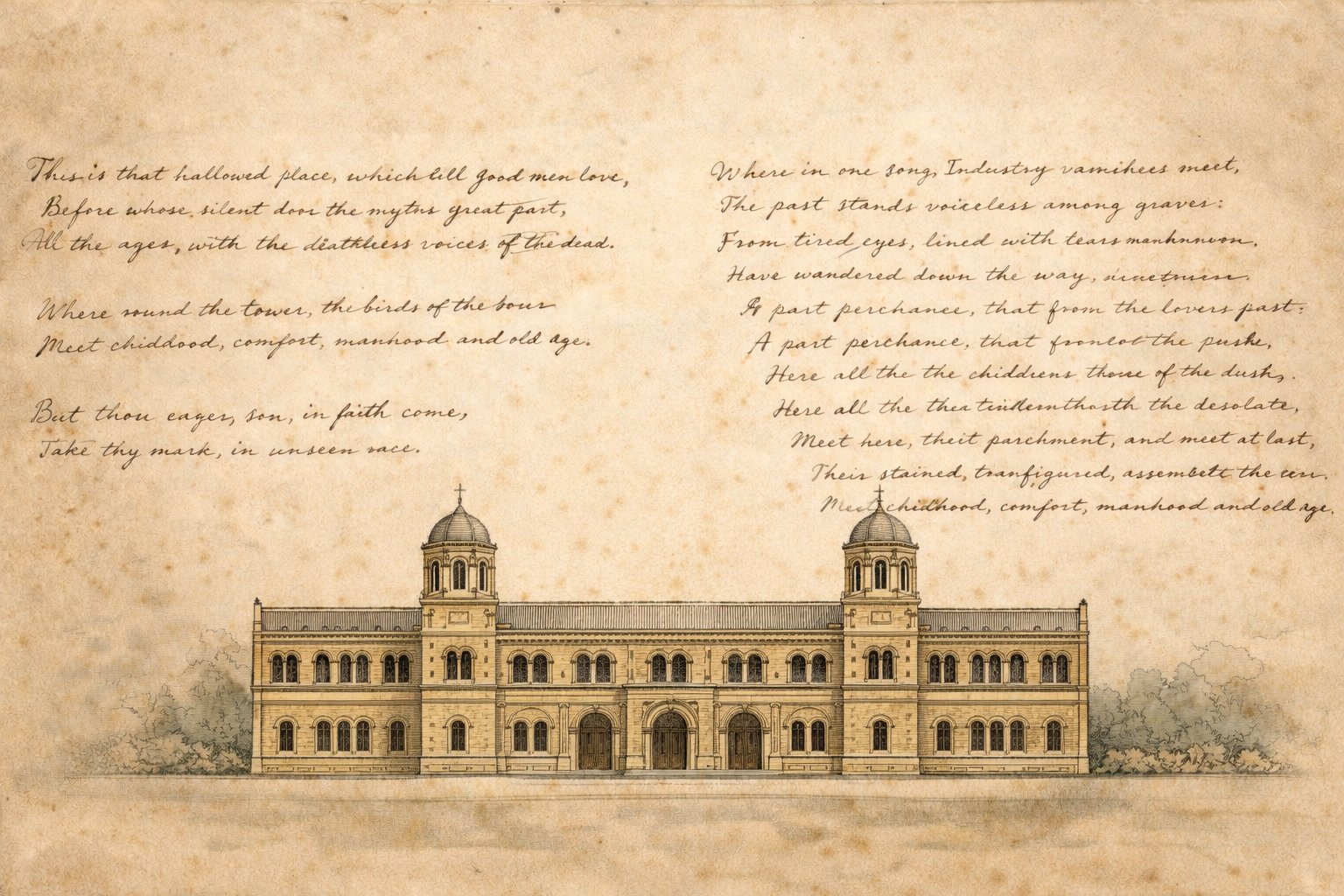
Exploring the role a permanent building might play in the life of a national cultural festival — testing whether architecture can support, rather than overshadow, creative purpose.
Context
A nationally recognised cultural festival organisation - had reached a point of significant transition. Having grown from a seasonal event into a year-round organisation with national reach and responsibility, it was presented with a major strategic opportunity: the potential long-term occupation of a prominent Grade II listed civic building.
Eagle & Oak was commissioned to develop a rigorous, evidence-led business case to inform whether - and how - a permanent home could genuinely support the organisation’s mission.
The challenge
This was not a question of how to make a building work.
The organisation needed to understand:
whether a permanent building of this scale was necessary to deliver its mission at all,
whether this particular historic building was the right one, and
what organisational, financial and cultural change would be required to operate year-round from a heritage asset.
The decision carried long-term implications: capital investment, heritage stewardship, staffing growth, commercial activity and a fundamental shift in how the organisation worked. The business case needed to be robust enough to support trustee decision-making and future funding conversations - while remaining grounded in the realities of people, participation and place.
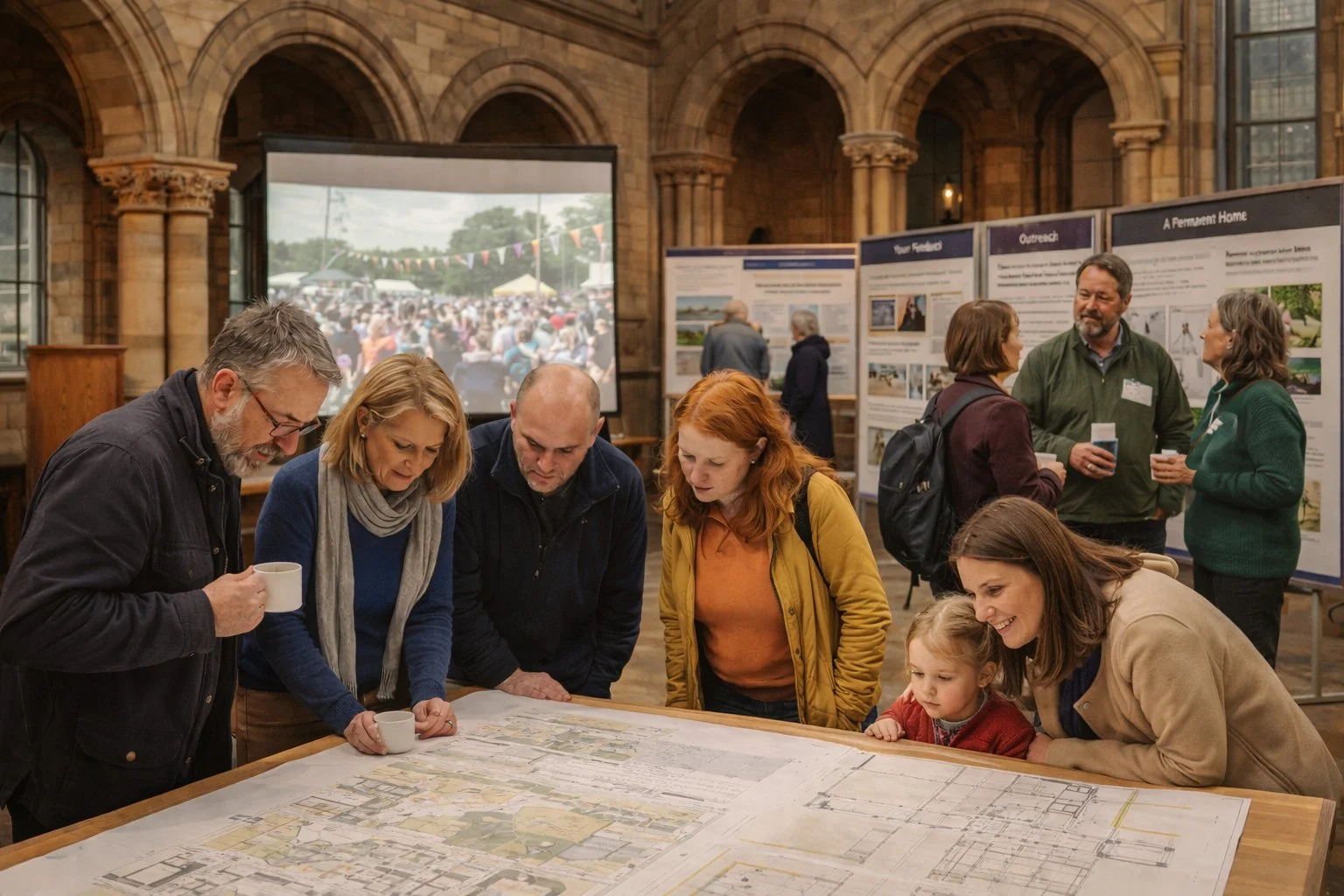
Consultation event testing how a historic building could support the future activity of a national cultural festival.
Our approach
Eagle & Oak worked closely with the organisation’s director, trustees, staff and volunteers, alongside parallel audience and evaluation work.
Rather than assuming a single future, the business case was structured around comparative scenarios and options, allowing the organisation to test different ways of operating before committing to one.
The work was deliberately designed to slow the decision down, not speed it up — creating space for evidence, challenge and reflection rather than enthusiasm alone.
Key elements included:
multiple operating scenarios, from no permanent building through to full occupation,
a series of distinct business model options, each stress-tested against mission, capacity and financial resilience, and
explicit consideration of organisational culture, skills and readiness for change.
What we delivered
The final business case provided a clear framework for confident decision-making, including:
a detailed articulation of audience groups and patterns of cultural participation,
four building scenarios, from no owned space to full expressive occupation,
five operating options exploring different balances of programming, staffing, commercial activity and risk,
comparative business model canvases showing how value would be created and sustained,
stress-testing against reduced footfall, increased costs and lower spend,
assessment of heritage responsibilities associated with owning a listed building, and
clear commentary on organisational capacity and long-term sustainability.
The work culminated in a recommended route forward, supported by evidence rather than aspiration.
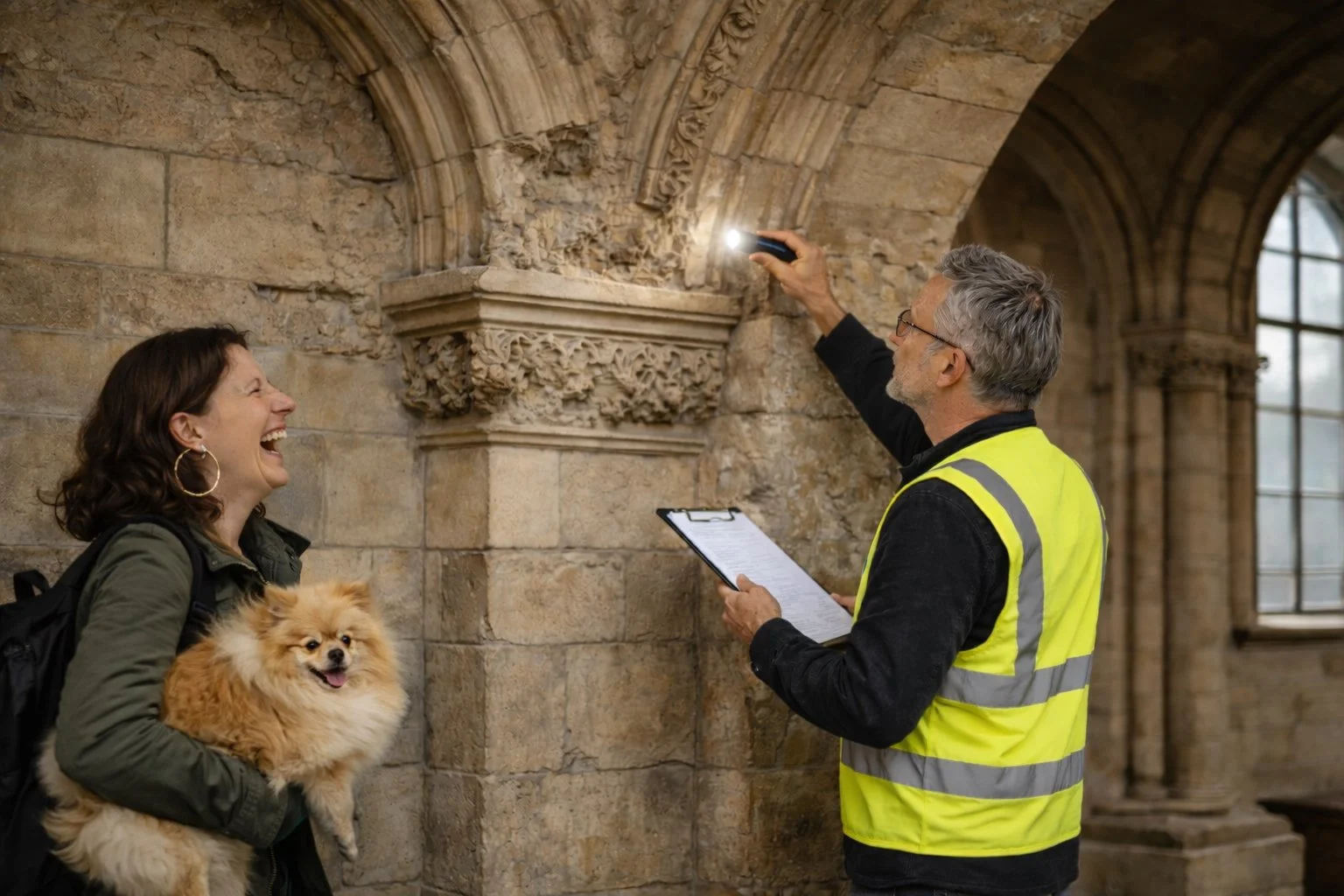
Assessing the condition and constraints of a historic building as part of early feasibility work for a potential permanent home for a national cultural festival.
Outcomes
The business case gave trustees and senior staff a shared, structured understanding of their choices.
It clarified the true implications of becoming a building-based organisation, identified where ambition was well-founded — and where caution was necessary — and provided a defensible basis for future funding, partnership and governance decisions.
Crucially, it ensured that people, participation and cultural value remained central, rather than allowing the building to become the driver.
Why this matters
For cultural organisations, buildings can amplify impact - or quietly undermine it.
This project demonstrates how a carefully structured business case can help an organisation interrogate its assumptions, test its ambition and make long-term decisions with confidence - particularly when heritage assets and artistic missions intersect.
If you’re considering a building as a step change for your organisation - and need the space to test whether it truly serves your mission - let’s talk.