Embedding a confident commercial culture
Mentoring a Director to strengthen commercial performance across a historic house, garden and museum
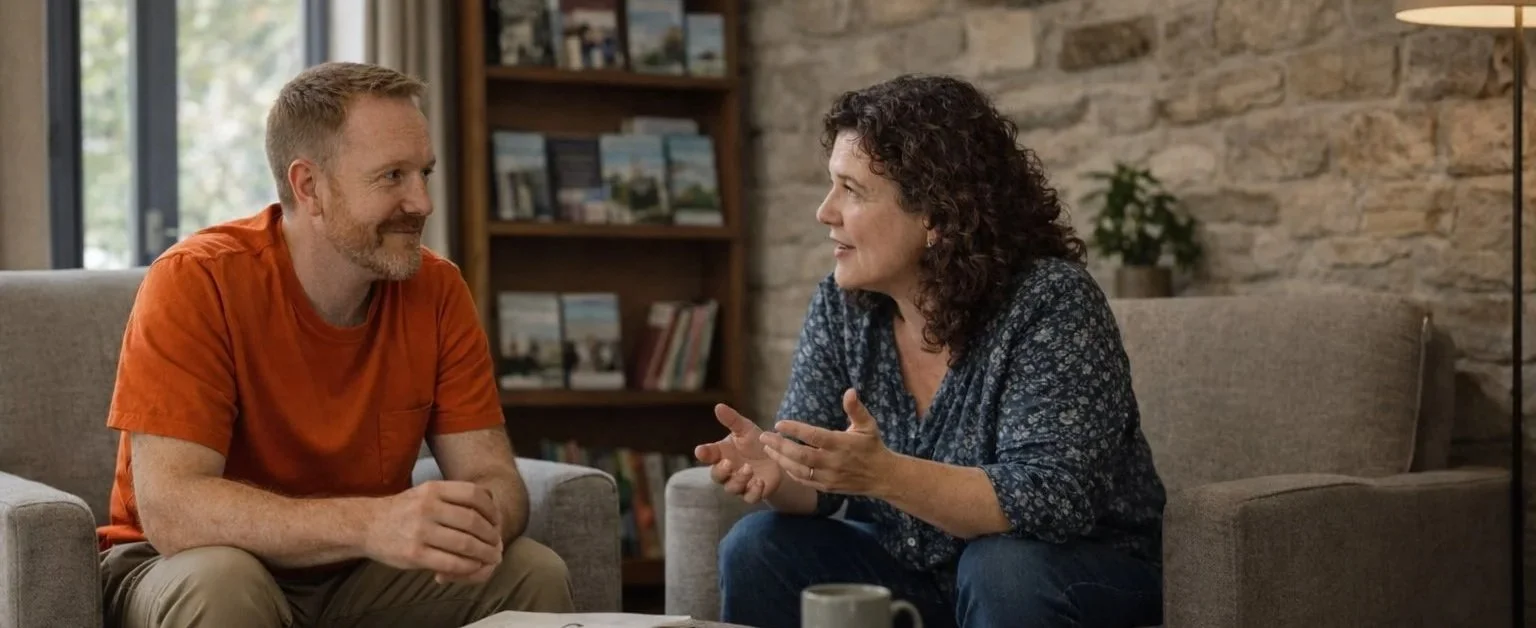
Making space for honest conversation about money, responsibility and confidence - without judgement or performance.
Context
A historic house, garden and museum with a strong public mission and a generally upbeat, collaborative team was operating with a long-standing discomfort around commercial activity. Staff across the organisation - whether working in the shop, the garden, the museum, education or front-of-house - were enthusiastic about their roles and took pride in what they did.
While retail, catering, admissions and events were all in place, commercial performance was uneven and poorly understood. Financially, the destination oscillated between years of modest surplus and years of deficit. In practice, stronger years generally covered weaker ones, but this pattern created uncertainty and unease at all levels - from trustees and senior leaders through to operational teams. The lack of clarity about why performance fluctuated made it distracting, uncomfortable and difficult to plan with confidence.
The Director was particularly concerned that pushing for a more explicit commercial culture could undermine the positive team dynamic, disrupt morale or create a sense that values were being compromised. Rather than commissioning a traditional consultancy project, she asked Eagle & Oak to support her through one-to-one mentoring.
The challenge
Commercial activity was seen as something done by a small group of managers, rather than with the organisation.
Key challenges included:
limited shared understanding of how money flowed through the organisation,
an acceptance of surplus and deficit as cyclical but poorly explained,
unclear ownership of commercial performance,
skills gaps within existing commercial teams,
and concern that a stronger commercial focus might disrupt an already positive and committed team culture.
Any intervention therefore needed to:
reduce distraction and anxiety caused by financial fluctuation,
build understanding without blame,
improve capability without destabilising the team,
and embed commercial thinking in a way that strengthened - rather than threatened - morale and shared purpose.
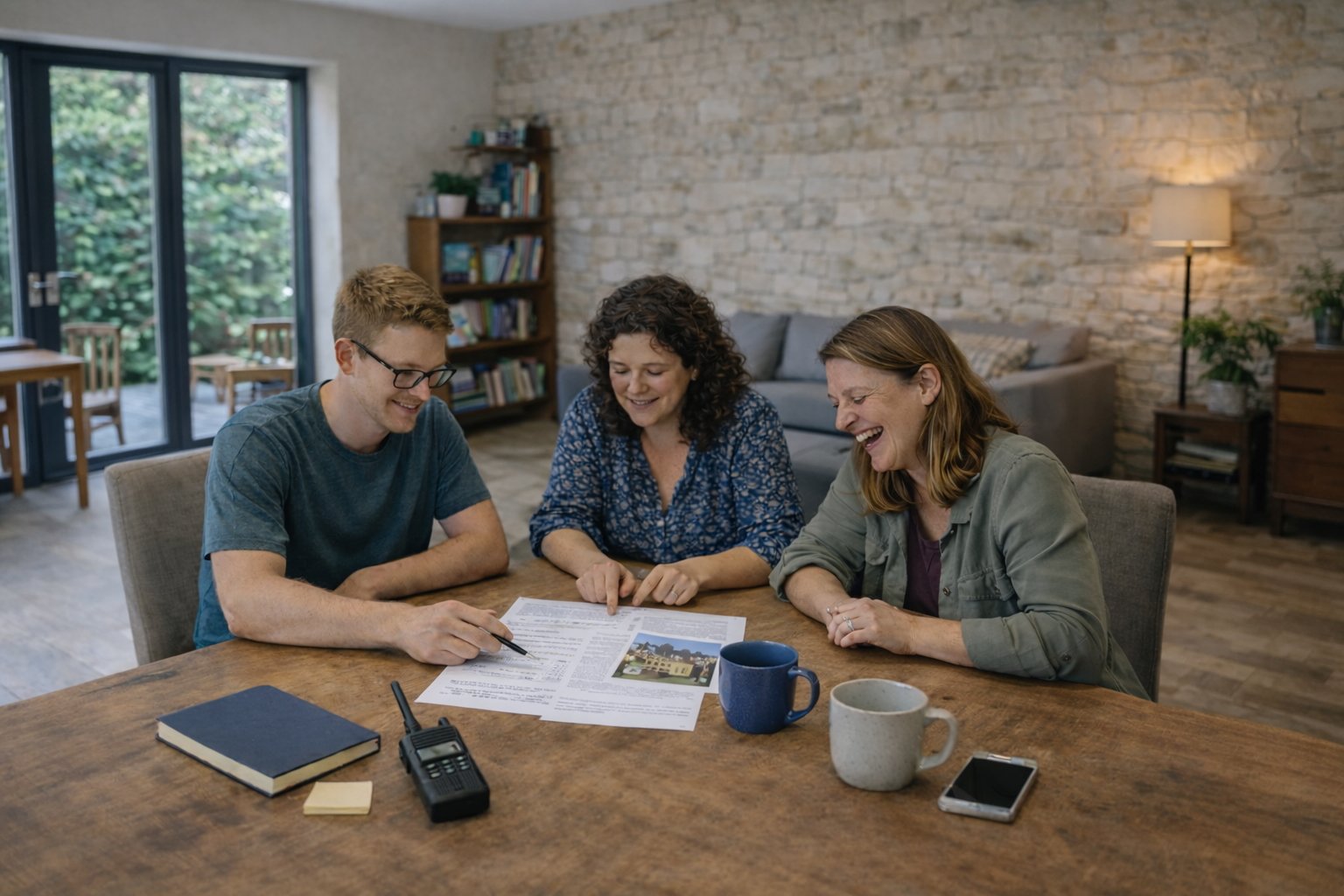
Turning commercial understanding into something shared, practical and quietly owned by the team.
“I can’t believe how much changed as a result of a few conversations with Jon at Eagle & Oak. The external perspective was invaluable - someone to ask me uncomfortable questions, and someone to report back to in a safe space when things went well, and when progress was slower or more challenging than expected.”
Our approach
The work focused on equipping the Director to lead commercial change herself.
Mentoring sessions over an 18-month period combined practical tools with reflective leadership development, moving deliberately from understanding to ownership to confidence.
We began by making the organisation’s finances visible and tangible. Annual running costs were translated into a simple daily figure - “it costs £X,XXX per day to run this place” - and existing commercial activities were mapped clearly against the income and profit they generated. This shifted commercial performance from abstraction to shared reality.
From there, we helped the Director establish:
a small set of headline commercial measures for the leadership team,
and more specific, controllable measures owned by individual commercial managers.
These measures became part of everyday performance leadership rather than something reviewed in isolation.
Rather than restructuring or recruiting new senior roles, the focus was on targeted upskilling:
specialist occasional consultancy support for:
retail buying, merchandising and pricing,
menu development, costing and compliance for food and beverage outlets,
and a “train the trainer” approach to upselling, enabling existing managers to embed learning across front-of-house teams in retail, catering and admissions.
The organisation joined the Association for Cultural Enterprises, opening access to structured training, live learning, an annual conference and improved benchmarking.
Alongside this, pricing and value were actively tested. Commercial managers benchmarked events, tickets and offers, exploring where pricing was too high, too low or misaligned with perceived value.
To avoid silos, quarterly whole-team commercial reviews were introduced. Curators, collections staff and gardeners contributed inspiration for product development, while commercial managers brought clearly defined questions to prevent overwhelm or distraction.
In parallel, the Director worked with a development coach to strengthen her own coaching skills. Her role evolved from problem-solver to performance coach: monitoring results, asking better questions and supporting managers to explore underperformance or untapped potential themselves.
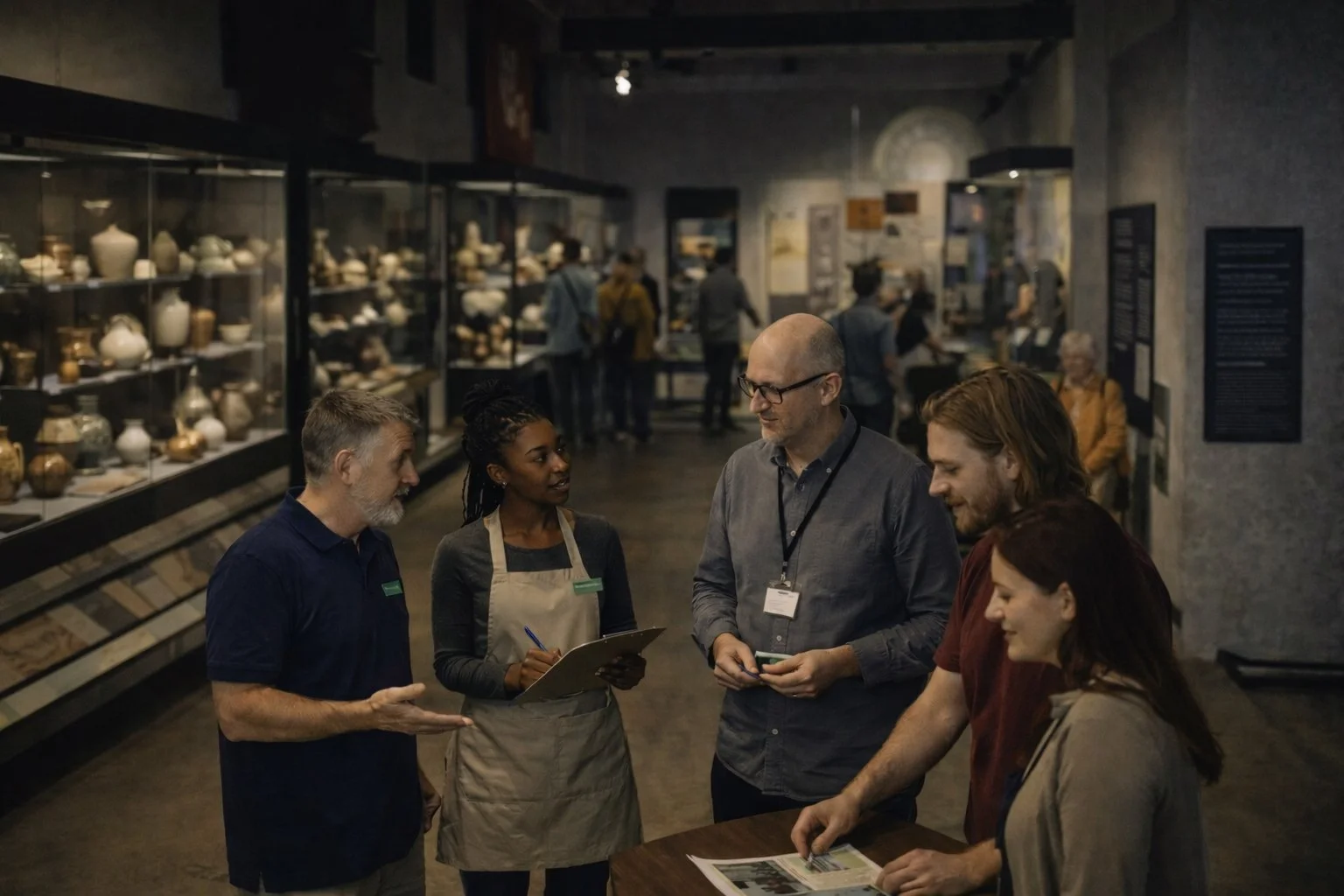
When commercial thinking becomes part of everyday decision-making - not a separate or uncomfortable conversation.
Outcomes
The change was transformational.
Every commercial area moved into sustained profitability with healthy margins. Collaboration increased markedly, and managers proposed - and implemented - a more flexible front-of-house team able to work across retail, catering and admissions.
Commercial activity ceased to be a “dirty word”. Teams spoke openly and proudly about performance and contribution, and improved financial results generated confidence across the organisation.
Just as importantly, commercial performance became more predictable and less emotionally charged, reducing anxiety across the organisation and allowing leaders and teams to focus their energy on improvement rather than explanation.
The organisation began planning reinvestment - not only in commercial infrastructure, but in curatorial, conservation and public-facing projects.
All of this was achieved through mentoring the Director, strengthening culture rather than disrupting it.
“If we’re being honest, I think we’d overcomplicated our view of how commercial should work, and got overwhelmed by it. What we’ve done instead is a few simple things that make it much clearer where to put our effort - and we love saying ‘no’ to things now.”
Why this matters
For many heritage organisations, commercial performance is less a technical problem than a cultural one.
This project shows how mentoring, clarity and leadership development can embed commercial confidence in a way that supports morale, collaboration and pride of place - while strengthening long-term sustainability.
If you’re carrying responsibility for commercial performance and want to build confidence — for yourself and your team — without unsettling a positive culture, let’s talk.