The Auckland Project - Binchester Earth
Experience design and commercial modelling for a complex heritage destination
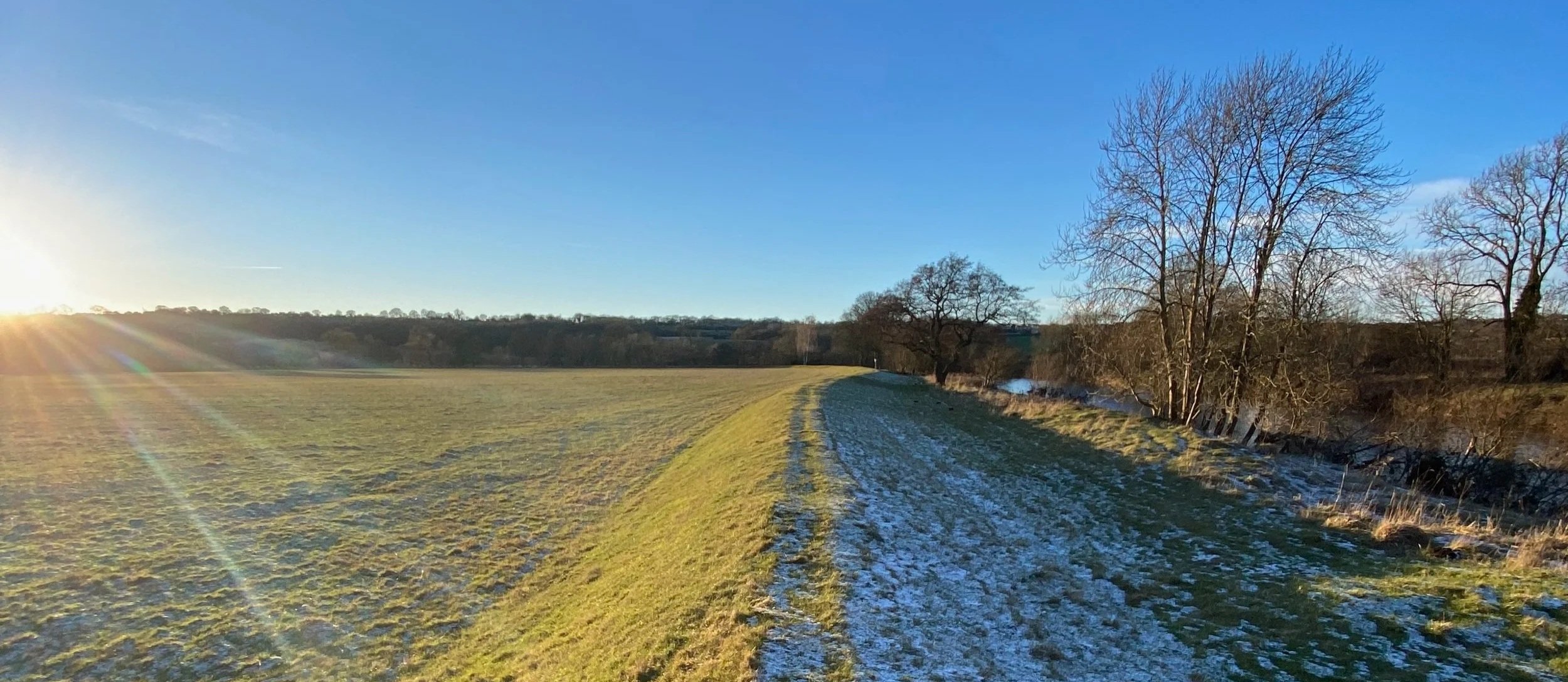
The earthworks at Binchester, where archaeology, landscape and long-term land use meet.
Context
The Auckland Project is a major cultural regeneration organisation in County Durham, developing a group of interconnected destinations that together form a compelling visitor offer. These included the restored Auckland Palace, a world-class Spanish Gallery, a Mining Art Gallery, and a Heritage Railway.
At the time of this project, the client was focussed on four distinct but related components:
Binchester, a Roman fort on Dere Street (a key supply route to Hadrian’s Wall)
Binchester Hall Farm, A working regenerative farm
Kynren, a large-scale outdoor live-action spectacle attracting significant seasonal audiences and developing a day-time heritage theme park offer
Auckland Palace and its Historic Deer Park, the former seat of the Bishops of Durham
Eagle & Oak was commissioned to help The Auckland Project test and shape the future of Binchester, while ensuring that any proposals worked coherently alongside these established and emerging elements.
The challenge
Binchester brought together two powerful but very different assets: a nationally significant Roman fort and a working regenerative farm. The challenge was to develop the site as a destination that was:
• rooted in archaeology and land,
• complementary to Kynren and Auckland Palace rather than competing with them,
• operationally realistic,
• and financially viable.
Crucially, this needed to be achieved before major capital investment was committed.
The development of Binchester Earth sat within a complex stakeholder landscape, including statutory and regulatory bodies responsible for planning, heritage and ecology; landowners, tenants and neighbouring interests; local communities and residents; destination, tourism and economic development partners; environmental and infrastructure interests; volunteers and community participants; education and research users; and a wider professional and advisory community.
The work therefore needed to balance statutory compliance, conservation and environmental responsibility with local benefit, operational practicality and long-term viability, while ensuring the emerging destination complemented the wider cultural ecosystem rather than operating in isolation.
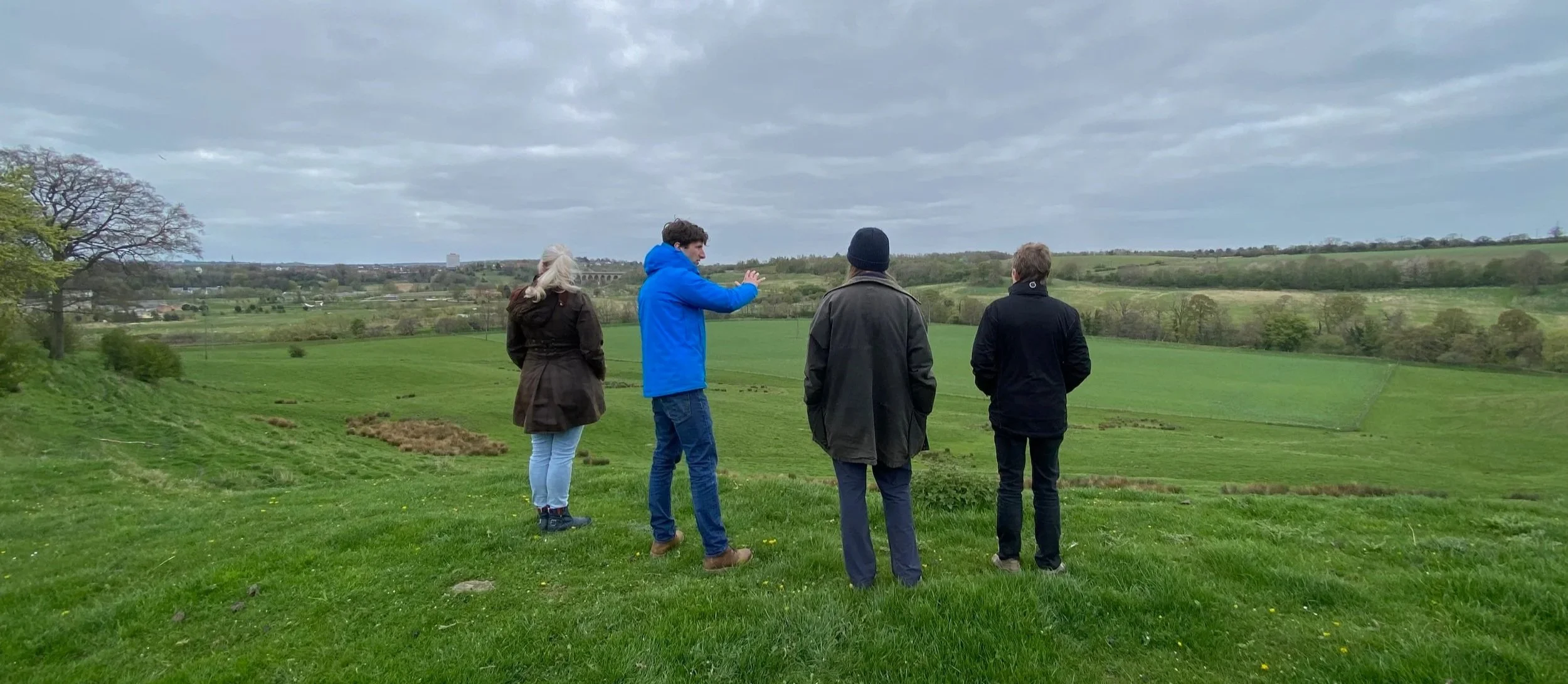
Discussing Binchester Earth in relation to its wider landscape and neighbouring Auckland Project sites.
“Jon has a deep understanding of how to make visitor attractions successful – in the broadest possible sense. He’s transformed our understanding of how to consider the value we have in our visitor offer.”
Our approach
We began by grounding the work in place. Through facilitated workshops with a complex and powerful range of stakeholders, Eagle & Oak helped distil what mattered most about the site and how it should be experienced.
This strategic work was developed in close collaboration with the client’s appointed design team, including architects Mosedale Gillatt and Southern Green, ensuring that emerging spatial ideas, landscape thinking and visitor experience principles were aligned from the outset.
We proposed the name Binchester Earth — combining the Roman name with a unifying idea that both archaeology and regenerative farming are literally and culturally rooted in the earth. This allowed the fort and the farm to be understood as parts of a single story.
Experience design was then used as a decision-making tool, not a branding exercise. Audience behaviour, dwell time and movement were modelled across the fort, farm and landscape, and tested in relation to wider flows generated by Kynren and Auckland Palace.
This work fed directly into operating models, staffing assumptions, opening patterns and a fully integrated business model.
What we delivered
An Experience Design Framework for Binchester Earth
Audience and dwell-time modelling across all components
Interpretation and programming principles
Operating and staffing models
A fully costed Business Model Canvas
Sensitivity testing at reduced performance levels
Optional growth modelling, including future additions
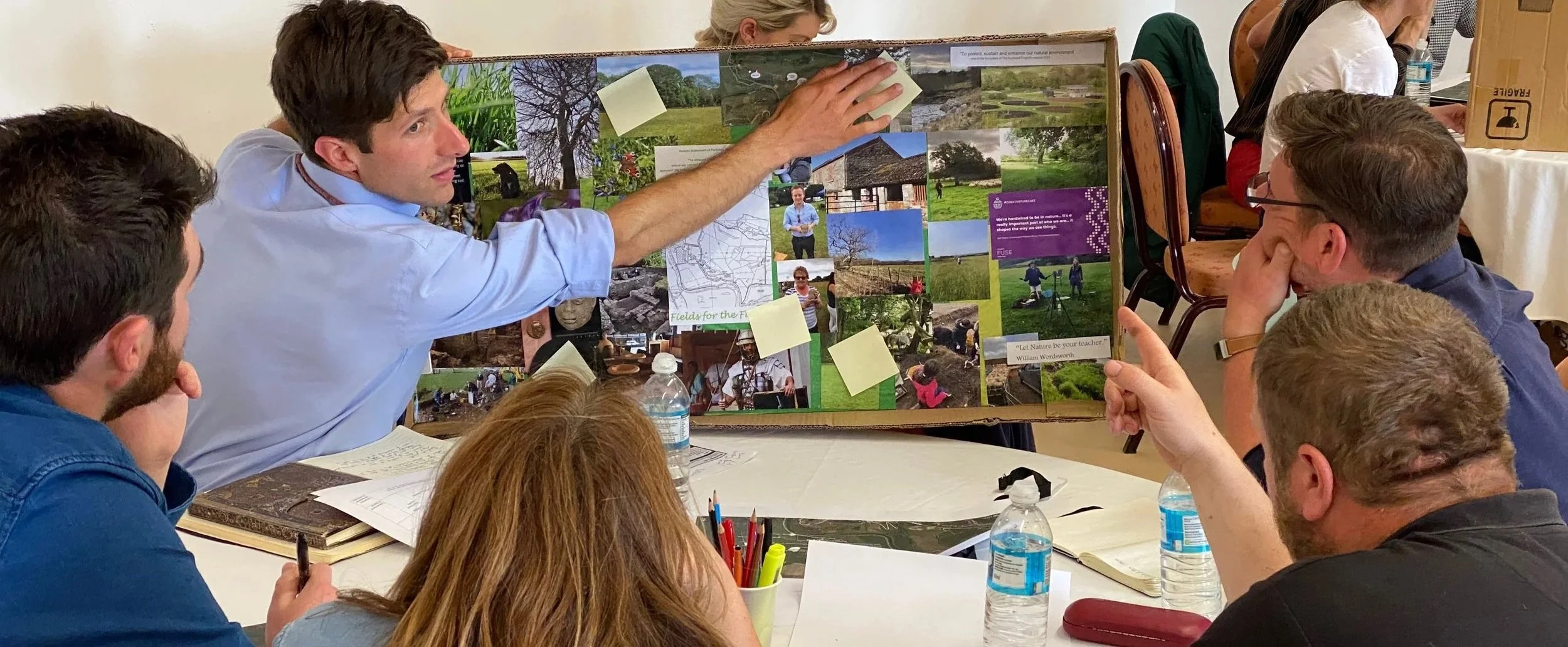
Using visual material to explore how archaeology, land use and visitor experience could be brought together.
Outcomes
The work demonstrated that Binchester Earth could operate as a viable, resilient destination without relying on optimistic assumptions, and that it could sit comfortably within The Auckland Project’s wider ecosystem.
Just as importantly, it provided a shared framework for decision-making across heritage, land, commercial and planning teams — supporting confident next steps.
“Jon’s work includes considering opportunities for effective and appropriate commercial success, but far more important is his ability to lead organisations to grasp what makes their places special, and the social, cultural and natural value they have to share with visitors. He’s helped us to see what is at the heart of what will make us a great place to visit.”
Why this matters
Many heritage places now operate as part of larger destination systems. This project shows how experience design, operational thinking and commercial realism can be combined to unlock potential — thoughtfully, sustainably, and in relation to the wider place.
If you’re working with a complex place and need clarity before committing to change or investment, let’s talk.